Delve into the world of electromobility, an ever-evolving domain reshaping transportation with eco-friendly innovations. Electromobility, as highlighted on Wikipedia, emphasizes the transition from traditional fuel-based vehicles to electric transportation solutions. Technological advances and environmental concerns drive its rapid adoption, heralding a sustainable future in urban mobility.

In recent years, electromobility has evolved into a pivotal element of global sustainability strategies. As defined on platforms like Wikipedia, electromobility refers to the use of electric vehicles (EVs) and related infrastructure. This paradigm shift facilitates decreased dependency on fossil fuels, thereby fostering reduced emissions and a greener planet. Not only does this shift respond to the increasing public and governmental pressures to mitigate climate change, but it also aligns with broader goals aimed at enhancing urban air quality and improving public health outcomes.
The rise of electromobility centers around several critical factors that are interlinked and contribute collectively to the development of a more sustainable transport ecosystem:
Wikipedia offers a comprehensive analysis of electromobility, presenting a nuanced discourse on its evolution, technological aspects, and market dynamics. While providing an essential starting point for understanding, further insights can be gained from industry reports that address real-time advancements and forecasts. Academic studies also contribute valuable longitudinal analyses of consumer behavior regarding EV adoption and the effectiveness of various governmental incentives.
As global urbanization persists, electromobility emerges as a central component in addressing environmental sustainability. Policymakers and innovators are prioritizing EVs for their ability to curtail greenhouse gas emissions significantly. The displacement of fossil fuel combustion with electricity—especially when sourced from renewable energy—offers a clear pathway to reducing air pollution. Furthermore, the integration of renewable energy sources with EV infrastructure amplifies these environmental benefits. Solar and wind energy can be harnessed for electric vehicle charging stations, creating a closed-loop energy system that significantly minimizes carbon footprints.
Transitioning to electromobility encompasses several challenges that must be addressed to achieve a sustainable transport future. These challenges include the initial cost of vehicles, the need for robust infrastructure, and battery recycling complexities. However, these challenges pave the way for significant opportunities that can stimulate economic growth and societal benefits:
Insights from industry leaders underscore that the successful integration of electromobility demands collaborative efforts across sectors, encompassing policy support, public-private partnerships, and consumer education. Experts emphasize that governments, manufacturers, utility companies, and the public must work together to tackle the varied challenges presented by the EV landscape. Innovative pilot programs in urban areas exemplify how multi-stakeholder collaboration can lead to enhanced infrastructure and service provision, which in turn accelerates EV acceptance and utilization.
A significant aspect of electromobility is the role of education and awareness in influencing consumer choices and behaviors. Many potential buyers remain uninformed about the long-term savings and environmental benefits associated with owning an electric vehicle. Public awareness campaigns can play a critical role in demystifying EV technology, showcasing not only how to drive and maintain these vehicles but also illustrating the overall infrastructure supporting them. By expanding initiatives that engage potential consumers through test drives, community events, and open forums on sustainability, stakeholders can effectively bridge knowledge gaps and increase adoption rates.
The ongoing evolution of electromobility is heralding several trends that are poised to shape the future of transportation:
Across different regions, distinctive initiatives and policies are being implemented to promote electromobility, each providing valuable lessons learned that can guide global efforts. For instance, countries in Europe, particularly Norway, lead the world in electric vehicle adoption rates due to aggressive policy measures, including free charging, access to bus lanes, and tax rebates. In contrast, the United States is witnessing steady growth powered by state-level initiatives in California and New York, as well as emerging federal incentives.
The Asian market, particularly China, represents a significant growth opportunity for electromobility, as the country has established itself as a leader in the manufacturing of EVs and batteries. Recent investments in infrastructure development and research indicate China's commitment to driving global demand and reducing pollution levels.
Moreover, nations in Africa are beginning to explore electromobility as part of their growth strategy. Initiatives aimed at electrifying public transportation systems, for example, can significantly reduce reliance on diesel buses while helping to establish renewable energy sources.
As the electromobility domain continually evolves, it presents a promising frontier in transport innovation. The convergence of technological advancements, regulatory support, and changing consumer behavior forms a trifecta that is propelling the adoption of electric vehicles globally. By understanding its dynamics through resources like Wikipedia and expert analyses, individuals and stakeholders can contribute to a sustainable and efficient mobility future. As we collectively navigate the challenges and embrace the opportunities of this transformative movement, the necessity for continuous education, collaboration, and innovation emerges as a critical pathway for achieving a cleaner and more sustainable transportation landscape.
Understanding Sme Neobank Impact

Exploring Webbank and Its Competitors

Discover Westminster Plaza Orlando

Discover Heartis Eagle Mountain Elegance

Westminster Plaza Orlando: A Comprehensive Guide

Transforming Banking with Sme Neobank

Discovering Westminster Plaza Orlando

Discovering Westminster Plaza Orlando

Life Insurance for Seniors: Maximizing Coverage and Benefits

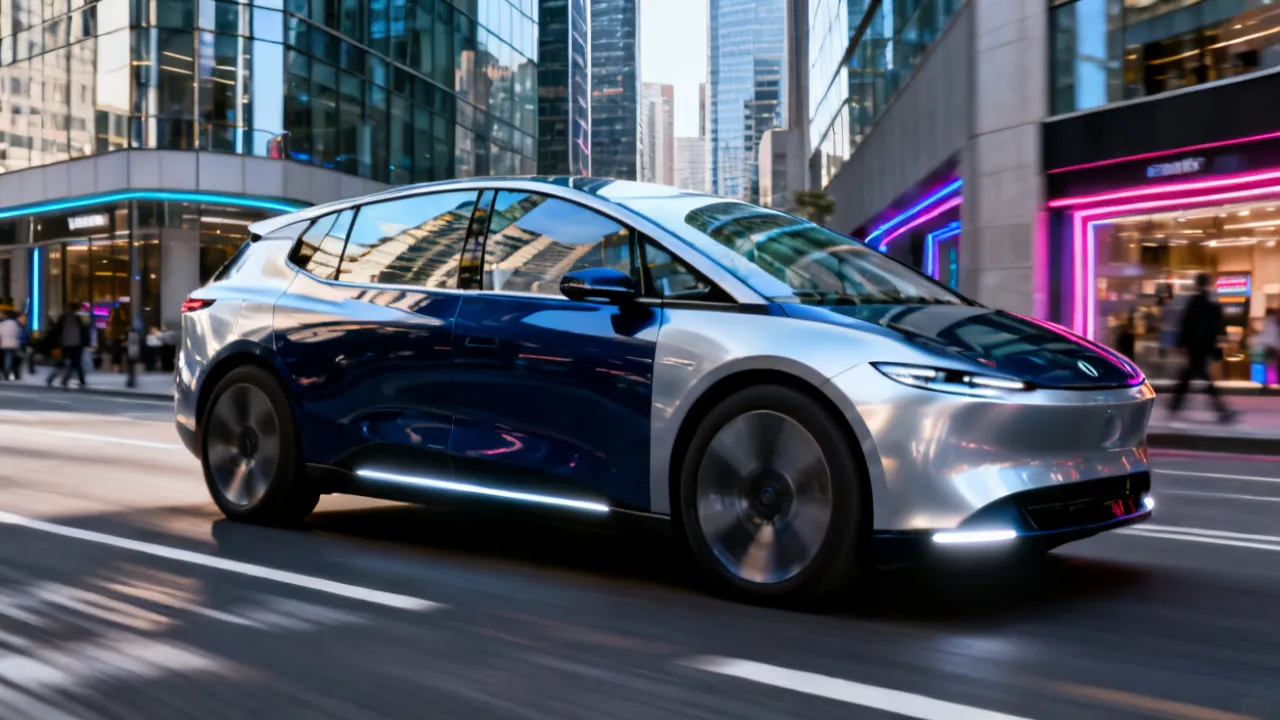
Unveiling Electromobility Dynamics
Electromobility represents a pivotal shift in transportation, focusing on electric vehicles (EVs) and supporting infrastructure. This transformation is reshaping how societies approach mobility, emphasizing sustainability and innovation. By exploring the comprehensive insights found on platforms like Electromobility Wikipedia, individuals can stay informed about the evolving technology and market trends influencing this industry.

Understanding Electromobility Trends
Electromobility represents a transformative approach in the transportation industry, gradually reshaping the landscape with electric-powered alternatives. Its rise is due to advancements in battery technology and the need for sustainable solutions. This article deeply analyzes the current trends, challenges, and future outlook of electromobility, providing insights into its growing presence in the automotive world.
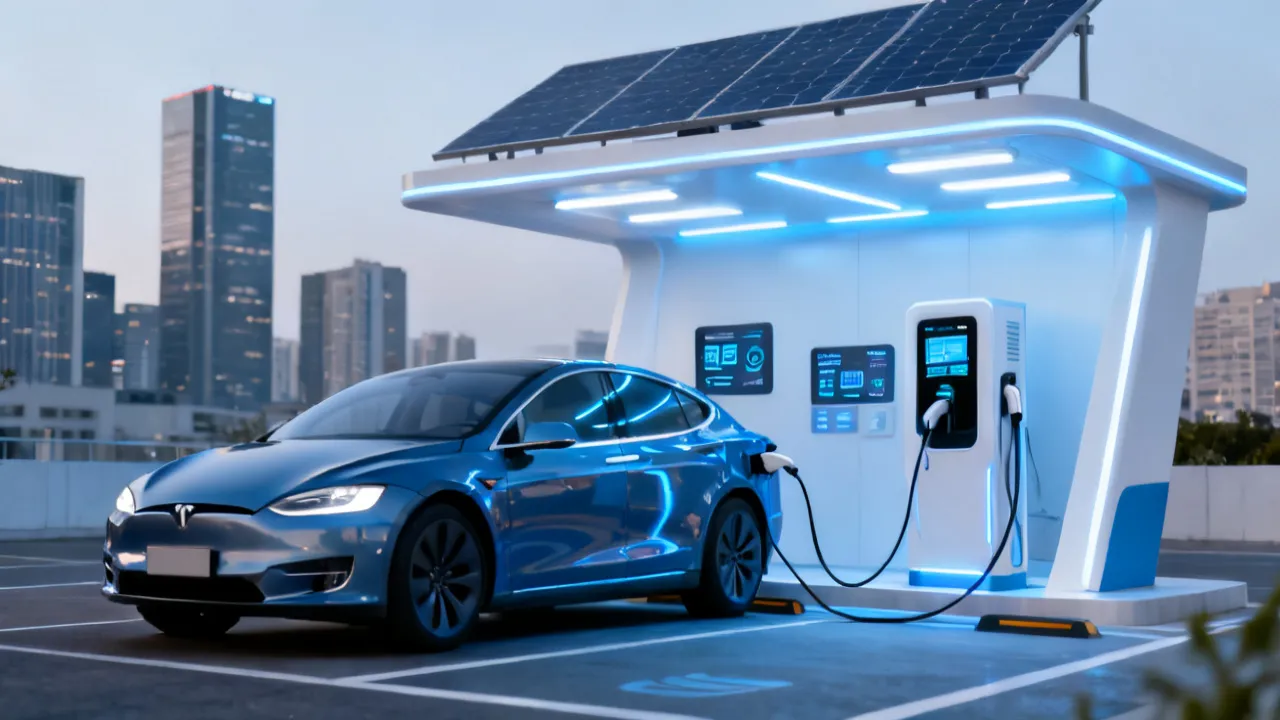
The Rise of Electromobility
Electromobility is fundamentally transforming the transportation landscape, offering a cleaner and more sustainable alternative to traditional combustion engines. As highlighted by Wikipedia and other platforms, it encompasses vehicles powered by electricity, significantly reducing carbon emissions. This article delves into the broad implications, benefits, challenges, and the future of electromobility.
Understanding Electromobility Dynamics
Delve into the world of electromobility, an ever-evolving domain reshaping transportation with eco-friendly innovations. Electromobility, as highlighted on Wikipedia, emphasizes the transition from traditional fuel-based vehicles to electric transportation solutions. Technological advances and environmental concerns drive its rapid adoption, heralding a sustainable future in urban mobility.
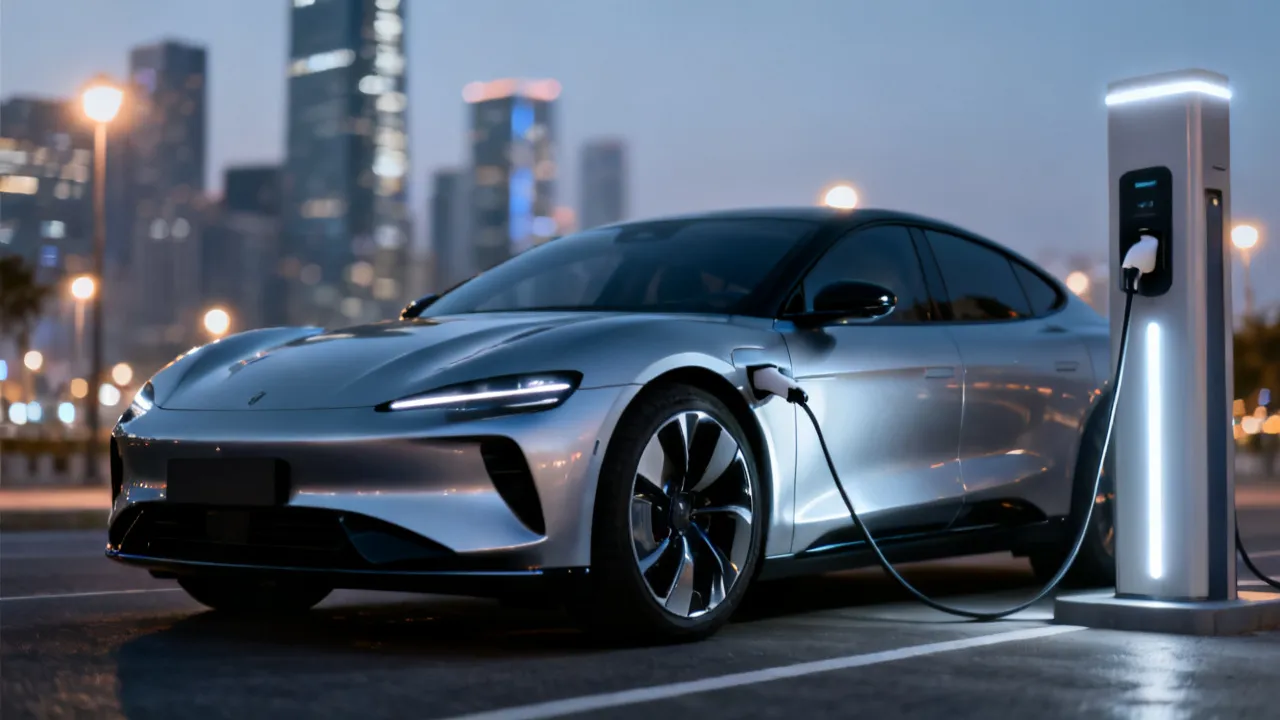
Navigating the Realm of Electromobility
This article delves into the expanding sphere of electromobility, an innovative sector focused on electric vehicles and infrastructure. As worldwide efforts to reduce emissions progress, electromobility continues to gain prominence, offering a sustainable alternative to traditional vehicles. Wikipedia and other sources serve as vital repositories of information, guiding understanding and development within this dynamic field.
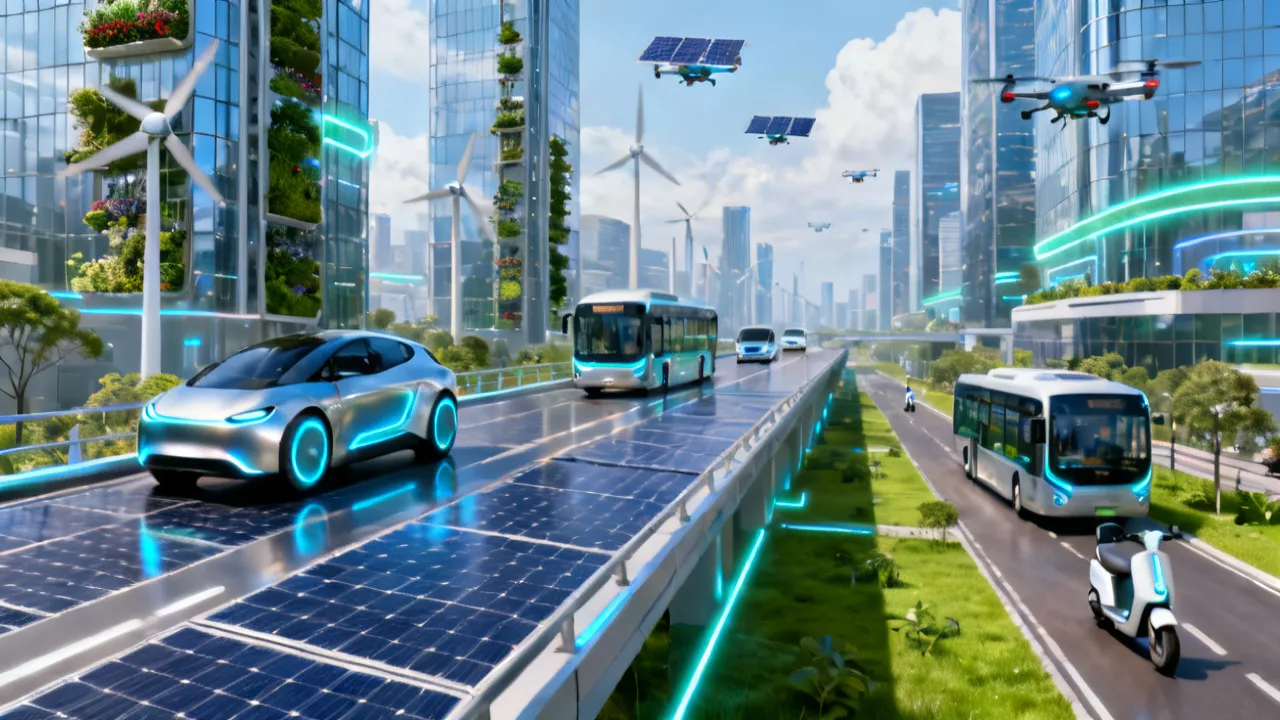
Understanding Electromobility's Future
This article delves into the dynamics of electromobility, focusing on the innovations transforming how we perceive transportation. Electromobility refers to the use of electric vehicles as a means of reducing reliance on fossil fuels. The increasing adoption of electromobility is shaping an environmentally conscious future, with significant implications for urban development and human well-being.