English

This guide explains how to choose an orthodontist for adults nearby, what to expect during diagnosis and treatment planning, and how adults can manage the financial side of care—especially when considering implant-supported solutions. It also reviews how major dental information and insurance resources describe costs and planning steps across English-, Spanish-, and Portuguese-speaking regions.
Finding an orthodontist for adults nearby is not only about convenience—it’s about matching your clinical needs with the orthodontic approach, the provider’s expertise, and a transparent treatment plan. For many adults, orthodontic care intersects with restorative dentistry (crowns, bridges, aligners, or implants), which means the decision process should be multidisciplinary and clearly documented.
In this guide, you’ll learn what adult orthodontic care typically involves, how to evaluate credentials and treatment design, what “low-cost” dental implant resources can and cannot guarantee, and how to estimate implant-related expenses using published reference ranges for multiple countries and currencies. The aim is objective: help you ask better questions before committing.
Adult patients commonly present with dental and periodontal factors that are less common—or less advanced—in many adolescent cases. Typical considerations include:
It’s easy to think of orthodontics as a cosmetic-only project—especially when you see popular before-and-after photos. But for adults, teeth have usually already experienced years of mechanical forces, dietary habits, and dental interventions. That means orthodontists must address not only the visible alignment but also the biological environment that makes movement safe and durable.
From an evidence-forward perspective, this means adult orthodontic planning should be anchored in three broad categories: (1) the health of the supporting tissues (periodontium), (2) the mechanics of tooth movement (how forces are delivered, controlled, and stabilized), and (3) the functional outcome (how your bite and jaw movements will behave after treatment).
Even when the only apparent problem is “crooked teeth,” an adult orthodontist may still need to consider: root proximity to adjacent teeth, existing gum levels, tooth mobility, tooth wear, and the presence of restorations that may not tolerate orthodontic forces or may need redesign after alignment changes.
Adults often get frustrated when appointments feel repetitive—especially if they’ve had dental imaging elsewhere. But comprehensive records matter because adult cases are typically more complex than straightforward alignment. When a practice invests in diagnostics, it can reduce the chance of rework later (for example, needing to replace a crown because tooth position changed, or needing additional periodontal therapy because baseline stability wasn’t fully assessed).
When evaluating an orthodontist for adults nearby, ask what records they use and why. A strong adult orthodontic assessment commonly includes:
Evidence-based orthodontics emphasizes that the best treatment plans are not produced by guesswork or by one measurement alone. Records are meant to create a “system-level” understanding so the orthodontist can plan tooth movement safely and achieve a stable bite outcome.
When you search for an orthodontist for adults nearby, the fastest path to a confident decision is to narrow your options based on clinical fit—not marketing. From an industry-insider perspective, these are the highest-yield evaluation points:
Years can matter, but they don’t replace evidence of training quality and case experience. Consider asking about:
The aim is not to interrogate the clinician; it’s to confirm that their approach is aligned with adult needs and that they can explain their reasoning clearly.
Adults have multiple appliance options. The best choice depends on your case complexity, periodontal considerations, and goals for bite function and aesthetics.
Braces can be highly effective for complex tooth movements. Adults sometimes prefer them for predictable control—particularly when precise torque, rotation correction, or bite mechanics are required. Braces may also be preferred when there are significant bite issues or when aligner control would be uncertain.
Aligners are popular because they are removable for cleaning and often more discreet. However, adult orthodontists should confirm that the intended tooth movements are within the predictable range for aligners. If you have major rotations, significant root torque requirements, or bite correction beyond aligner capabilities, your orthodontist might recommend braces or a hybrid plan.
Hybrid care might combine aligner stages with braces, or use limited fixed appliances to refine bite or control movement. For adults, hybrids can be a practical compromise—aligner aesthetics when possible, fixed control when needed for stability.
Adults should think of retention as a “long-term appliance ecosystem.” A practice that only talks about the active phase (braces/aligners) and postpones the retention conversation is missing a major component of adult orthodontic outcome quality.
Retention is where many adult orthodontic outcomes are won or lost. Teeth have periodontal ligament memory, and adults may have habits like clenching or occlusal trauma that influence long-term stability. Additionally, adults may undergo restorative dentistry that changes bite forces, which can indirectly affect tooth stability.
When consulting, ask:
A credible adult orthodontic plan should include a retention rationale tailored to your biology and functional habits, not a one-size-fits-all standard script.
Because adults often have existing dental work, orthodontic changes may affect how restorations fit and look. For example, if you have a crown on a tooth that will be moved, the orthodontist must coordinate with a restorative dentist to prevent damage or to plan re-crowning after tooth movement.
Common coordination considerations include:
If the practice claims to be an all-in-one solution, ask how restorative specialists are involved. “We do it here” can be helpful, but only if coordination is systematic and documented.
Dental implants can intersect with orthodontic treatment in multiple ways. Sometimes implants are needed because teeth are missing. Sometimes orthodontics is required to create proper spacing and alignment before implants. And sometimes implant planning must happen first because orthodontics will be constrained by implant placement timing and available bone.
The key concept is that orthodontics is rarely isolated. Treatment design must respect biological healing, mechanical load, and long-term prosthetic outcomes.
Many adults report clenching or have headaches or jaw discomfort. These issues can change how orthodontics should be planned. Orthodontic treatment is not typically meant to “treat TMJ disease” by itself, but an orthodontist should screen for symptoms and collaborate if needed.
Practical evaluation questions include:
If you have bruxism, ask whether your orthodontist will coordinate with a dentist for a protective appliance (like a night guard) and whether tooth movement will consider bite force distribution.
Adult orthodontic pricing varies widely based on appliance type, complexity, and retention strategy. While you’re investigating “orthodontist for adults nearby,” it’s helpful to understand what affects the total:
In other words, orthodontic “low cost” is not just an orthodontics line item—it can be influenced by restoration coordination and retention plans.
Many patients search for low-cost dental implant options alongside orthodontic care—especially when missing teeth or failing restorations complicate bite alignment and anchorage. Online resources can be helpful for:
However, “low-cost” information should not be interpreted as guaranteed final price. In clinical practice, implant quotes vary widely by case complexity and local overhead. For that reason, use published ranges and clinic-provided estimates as reference points, then validate with a comprehensive exam.
When a clinic advertises lower costs, it may be accurate—but the quote might not include everything needed for a successful outcome. Adults should treat implant pricing like a “bundle,” not like a single surgical fee. Factors that often change total cost include:
From a patient-protection standpoint, the most valuable skill is comparing quotes in a structured, component-by-component way—often called “like-for-like” comparison.
Below is a compact comparison of websites that provide guidance related to lower-cost dental implants. The goal is to highlight how these sources typically frame topics such as benefits, procedures, cost considerations, and patient support models.
| Website | What It Emphasizes | Top Use for Patients |
|---|---|---|
| DentalViews (Low Cost Dental Implants) | Benefits of implants, types of treatments, general implant process, FAQs, and pricing context | Background learning and questions to bring to consultations |
| Atlantic Dental Group | Broad service menu (cleaning, orthodontics, implants, emergency care) and scheduling/clinic access information | Understanding how a full-service clinic structures patient pathways |
| DentaVacation | Dental tourism framing, cost comparisons across countries, and travel arrangement support | Exploring the concept of cross-border cost strategies (with extra caution) |
| ADHP/Insurance-knowledge resource (as referenced via clinic insurance portal) | Dental insurance plan education: coverage options, how to apply, and how to use insurance | Reducing uncertainty about coverage and documentation |
source: https://dentalviews.com/low-cost-dental-implants/
source: https://www.atlanticdentalgrp.com/
source: https://www.dentavacation.com/
source: https://rockvilledentalarts.com/es/
While specific clinic programs differ, the logical process for seeking lower-cost dental implants usually follows a predictable sequence. The steps below reflect how many reputable providers and insurance-oriented resources structure care planning.
If you’re also searching for an orthodontist for adults nearby, start by clarifying whether implants are necessary for bite correction, missing-tooth replacement, or good occlusal stability. Ask whether orthodontics is intended to create space, correct alignment before implant placement, or stabilize after restorative work.
It can help to write down the “problem statement” in plain language, such as:
That simple framing can make consultations more efficient and can reduce the chance of receiving a solution that is technically possible but not aligned with your long-term bite and aesthetics goals.
Low cost should never mean skipping essential evaluation. Ask for:
When clinicians provide diagnostics, you want them to translate findings into practical decision-making. For example, if they say bone is insufficient, ask what the remedy is (graft, different implant design, alternative restorative approach, or orthodontic timing changes).
Different packages can include different components. When comparing quotes across clinics—or across countries—confirm whether the price includes imaging, surgical placement, abutments, the final crown/bridge, follow-ups, and warranty/complication management.
A practical tactic: request itemized quotes in a spreadsheet-like format. Even if clinics resist, you can still ask targeted questions that reveal what’s included:
Insurance can reduce out-of-pocket costs, but orthodontics and implants are not always covered in the same way. In many systems, medical necessity documentation or eligibility criteria determine coverage. If you are using insurance resources, verify which steps are covered and what documentation is required.
Also ask how insurance affects sequencing. Some plans might require treatment documentation before certain procedures, which could influence whether orthodontic treatment must be started first or whether implants must be completed before orthodontic phases begin.
Lower costs must be balanced against:
Aftercare can include peri-implant care instructions, cleaning protocols, follow-up intervals, and contingency planning if healing is delayed. Adults should ask what happens if you experience pain beyond expected ranges, if swelling persists, or if osseointegration appears to be delayed.
For dental tourism models (commonly described by providers such as DentaVacation), verify continuity of care. Specifically ask about post-surgery follow-up options if you experience delayed healing or require additional management.
Additional safeguards to consider:
Adult treatment often involves sequencing: orthodontic movement, implant placement, then prosthetic placement and final occlusion refinement. Your plan should state how orthodontic appointments align with surgery recovery windows.
Ask for a timeline that includes:
When practices provide a written sequencing overview, they are demonstrating mature case management. When they don’t, your risk of confusion and rework goes up.
The following reference ranges provide a country-level perspective for single dental implant costs. Actual pricing can vary based on clinical complexity, number of visits, implant system, and prosthetic components included in the quote.
| Country | Currency | Price Range (Individual Implant) |
|---|---|---|
| United States | USD | $3,000 - $6,000 |
| United Kingdom | GBP | £2,000 - £2,500 |
| Australia | AUD | AU$3,500 - AU$6,500 |
| Canada | CAD | CA$3,000 - CA$5,500 |
| Spain | EUR | €1,500 - €2,500 |
| Chile | CLP | CLP$800,000 - CLP$1,500,000 |
| Mexico | MXN | $15,000 - $25,000 |
| Colombia | COP | $2,000,000 - $4,000,000 |
| Peru | PEN | S/ 3,000 - S/ 6,000 |
| Argentina | ARS | $80,000 - $150,000 |
| Brazil | BRL | R$3,000 - R$8,000 |
| Portugal | EUR | €1,000 - €2,000 |
| Germany | EUR | €2,000 - €3,500 |
| France | EUR | €1,500 - €2,500 |
| Italy | EUR | €1,500 - €3,000 |
| Japan | JPY | ¥300,000 - ¥700,000 |
Country ranges can be a helpful budgeting tool, but they are not a substitute for a personal treatment plan. A “single implant” is not always comparable across cases because the prosthetic requirements differ (single crown vs multi-unit bridge vs overdenture support). Also, some quotes may include immediate loading, bone grafting, sinus lifting (for posterior maxilla), or guided surgery—each of which changes total cost and risk profile.
If you’re comparing a quote you received to a country range, do this translation mentally:
In other words: use country ranges as a “sanity check,” then request an itemized plan and align it to your biology.
For readers who communicate comfortably in Spanish or Portuguese, clinic and educational resources often do more than translate—they frequently reshape how patients are guided through decisions (including the role of implants, orthodontics, bleaching, cleanings, and emergency access).
Examples of Spanish-language resources include:
Portuguese-language clinic information may highlight the breadth of services and patient reviews:
From an industry-expert viewpoint, adult orthodontics decisions succeed when patients receive clarity on both clinical design and practical delivery. Below are targeted questions that help reduce avoidable surprises.
Most adults want to find the best provider, but it’s also important to recognize when a clinic’s process lacks maturity. Consider these red flags:
These signs don’t always mean poor care, but they are indicators that you should slow down and request clarity before committing.
Very adult assessments begin with bite and occlusion evaluation, dental and gum status, existing restorations, and alignment concerns. Diagnostic records (such as imaging and scans) are used to build a treatment plan that accounts for adult biomechanics and retention needs.
They can be, but suitability depends on case complexity. Adults with significant bite issues, extensive restorations, or periodontal limitations may still be candidates, but the orthodontist must confirm that control of tooth movement is achievable and that retention can be maintained.
Implants can become part of the good occlusion plan when teeth are missing or when restorative replacement is required. Your orthodontist and (if needed) implant/restorative specialists should coordinate sequencing so tooth movement and implant placement do not conflict.
It generally indicates reduced pricing versus typical market rates. The reason may involve clinic pricing models, treatment package structures, specific implant systems, or patient volume. Importantly, you should confirm what is included (prosthetic components, follow-up care, and warranty terms) rather than focusing only on the headline price.
Often, yes—by planning carefully. Approaches include comparing comprehensive quotes, verifying insurance coverage where applicable, choosing efficient treatment sequencing, and selecting a clinic whose outcomes and aftercare match your risk profile. The goal is value, not under-treatment.
Some patients explore dental tourism for cost savings. If you consider it, ensure you understand continuity of care: post-operative monitoring, complication management, and how follow-up will be handled if healing does not proceed as expected.
Not always. Coverage depends on eligibility rules and whether orthodontic care is categorized as medically necessary under the plan’s criteria. It’s wise to request a coverage review and confirm required documentation before starting treatment.
Often, disappointment stems from unmet expectations—such as underestimating time, not understanding the retention requirement, or assuming that aesthetics alone are the goal. A well-defined plan with clear milestones and retention strategy reduces this risk.
Timelines vary by diagnosis and complexity. Instead of asking only for a single number, ask for a realistic range, what factors can extend treatment (including sequencing with restorative work), and how progress is evaluated between visits.
Seek prompt advice for severe pain, swelling that worsens, significant bite discomfort that feels unstable, trouble with appliance fit, or any signs of infection. For implant-related care, urgent evaluation is especially important if unusual symptoms occur during healing.
Lower costs tend to be very achievable when key clinical conditions are met. While you should never self-diagnose, these common requirements influence whether lower-cost pathways are feasible:
It’s helpful to think of “low cost” as a property of the overall pathway, not a feature of the implant alone. When prerequisites are met and the plan is well-coordinated, it’s more likely that a lower-cost approach is both realistic and safe.
To move from research to action, a sensible plan is:
Many adults waste consult time asking general questions because they’re nervous or because they didn’t arrive with a structured list. Preparation increases the chance of receiving specific and actionable information.
Bring:
With those details, an orthodontist can more accurately judge sequencing and retention needs, while an implant-focused dentist can better estimate feasibility and cost components.
Every case is unique, but certain sequencing patterns show up frequently. Examples below can help you understand what to ask and what responses might mean.
In many cases, the adult needs orthodontics to create proper spacing and alignment before an implant is placed. After tooth movement, the implant site can be prepared. Once the implant is integrated, a prosthetic crown replaces the missing tooth.
Key questions:
If a tooth is failing, the question becomes whether to remove it first, whether bone preservation strategies are needed, and whether orthodontic movement should be paused to allow healing. Sometimes orthodontics proceeds while the extraction/restorative plan is prepared; sometimes it must be timed around surgery windows.
Key questions:
When crowns or veneers are already present, orthodontic movement might require adjustments to avoid damaging restorations. In some cases, restorations may be revised after orthodontics completes alignment.
Key questions:
1) The above information comes from online resources, and the data is as of October 2023.
2) Dental implant prices are for reference only and may vary by region, clinic and doctor.
https://dentalviews.com/low-cost-dental-implants/
https://www.atlanticdentalgrp.com/
https://www.dentavacation.com/
https://rockvilledentalarts.com/es/
https://unioncityminidentalimplants.com/es/
https://www.cigna.com/es-us/knowledge-center/guide-to-dental-implants
https://www.rubiodonto.com.br/
https://odontologiavelasco.com.br/
https://dentalvidas.com.br/
Orthosmile Hounslow Guide to Dental Implants

Orthosmile Hounslow: A Professional Guide to Care
Orthosmile Hounslow Guide to Dental Implants and Care

Orthosmile Hounslow: Dental Implants and Care Guide
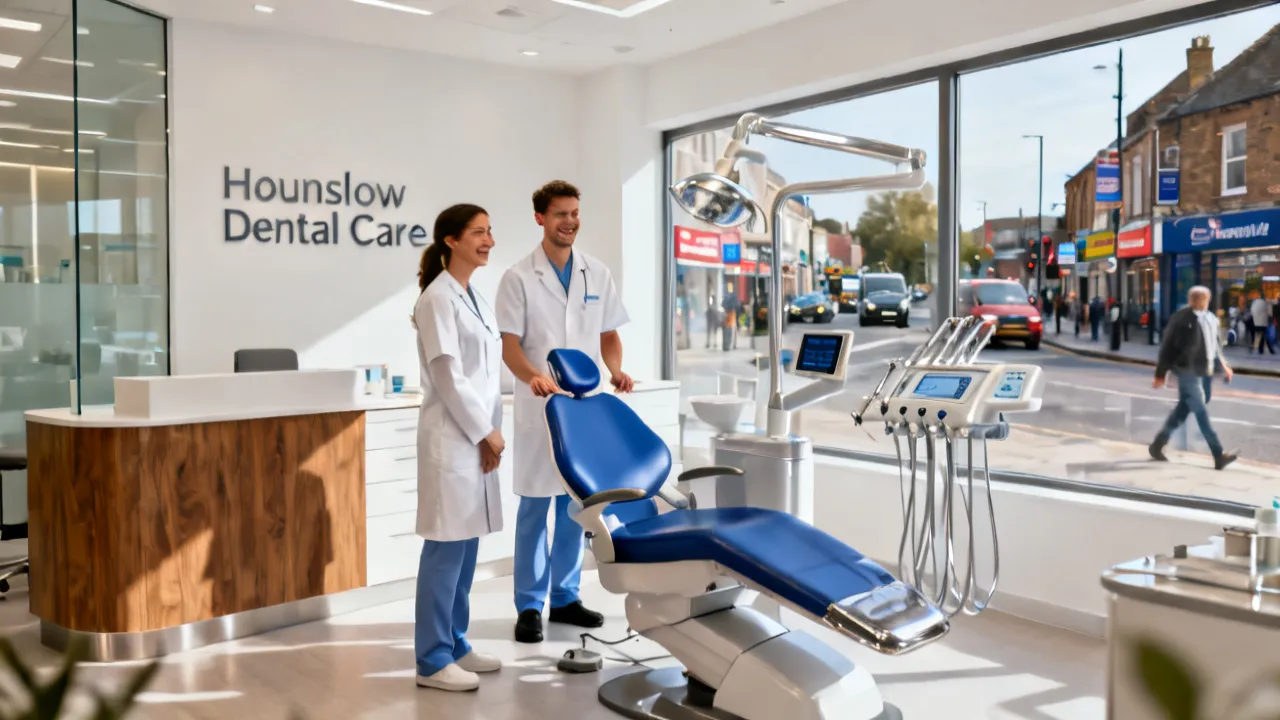
Finding an Adult Orthodontist Nearby for Better Smiles
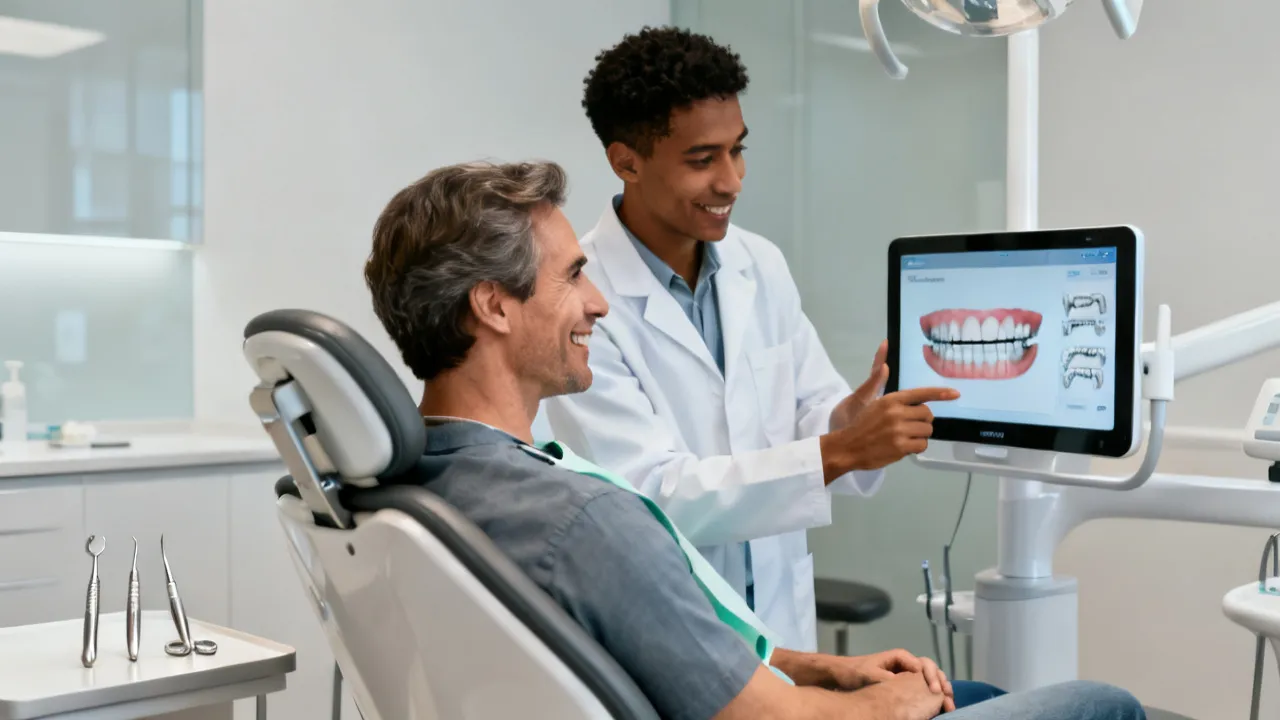
Finding an Adult Orthodontist Nearby with Implant-Aware Care
Orthodontist for Adults Near Me: Options and Implant Costs
Orthodontist for Adults Near Me: Trusted Treatment Options
How to Choose an Orthodontist for Adults Nearby
Orthosmile Hounslow Guide to Dental Implants
This guide explains what patients should expect from Orthosmile Hounslow when considering dental implants and related orthodontic care. It provides an expert, evidence-informed overview of low-cost implant pathways, cost drivers, and planning steps. You’ll also find cost ranges across multiple countries, plus a structured comparison of online resources and practical FAQ answers.
Orthosmile Hounslow: A Professional Guide to Care
This guide explains what Orthosmile Hounslow represents within local dental care, and how English-, Spanish-, and Portuguese-speaking countries approach low-cost dental implants. It compares key information sources, outlines a step-by-step pathway for reducing implant costs responsibly, and provides region-based implant price ranges for planning and discussion with qualified clinicians.
Orthosmile Hounslow Guide to Dental Implants and Care
This guide reviews Orthosmile Hounslow and how dental implant planning typically works in nearby communities. It covers candidacy, clinical steps, cost considerations across English-, Spanish-, and Portuguese-speaking countries, and a practical method to pursue low-cost options responsibly. Expert-style FAQs explain materials, timelines, risks, and what to ask during consultation.
Orthosmile Hounslow: Dental Implants and Care Guide
This guide explains what to expect from Orthosmile Hounslow when considering dental implants, including clinical steps, eligibility considerations, and how “low-cost” options are typically structured in English-, Spanish-, and Portuguese-speaking markets. It also compares trusted online reference sources and provides region-based cost ranges and practical ways to reduce expenses responsibly.
Finding an Adult Orthodontist Nearby for Better Smiles
This guide helps you choose an Orthodontist for Adults Near Me by explaining adult orthodontic needs, evaluation steps, and how to plan for affordability. It also reviews low-cost dental implant information sources, typical implant costs across multiple English-, Spanish-, and Portuguese-speaking countries, and practical next steps based on clinical top practices.
Finding an Adult Orthodontist Nearby with Implant-Aware Care
This guide explains how to choose an Orthodontist for Adults Near Me with implant-aware planning, what “low-cost” dental implants usually means, and how costs commonly vary across countries. It provides objective decision criteria, a practical checklist, and FAQs so you can evaluate treatment options, insurance considerations, and realistic next steps before scheduling.