English

This guide explains what to expect from Orthosmile Hounslow when considering dental implants, including clinical steps, eligibility considerations, and how “low-cost” options are typically structured in English-, Spanish-, and Portuguese-speaking markets. It also compares trusted online reference sources and provides region-based cost ranges and practical ways to reduce expenses responsibly.
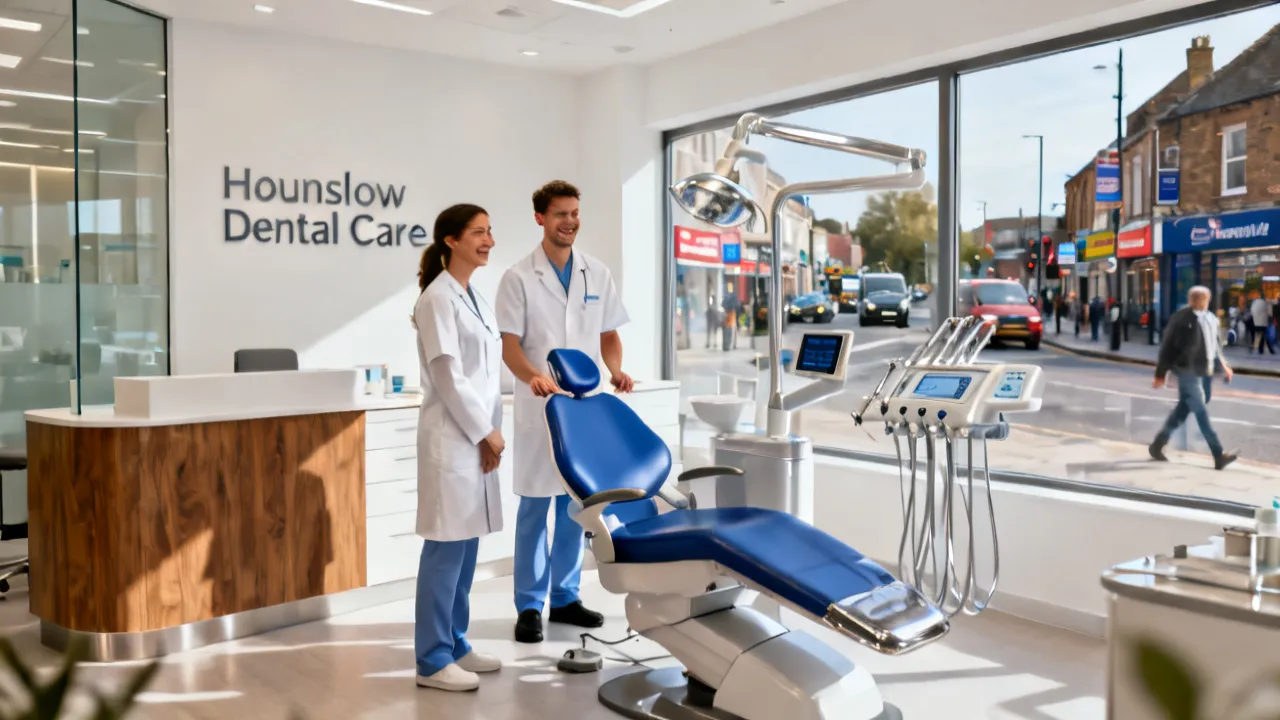
When you start looking into dental implants—especially if you’ve come across the idea of “low-cost dental implants”—it’s easy to focus on the headline number and forget what the treatment actually involves. In reality, choosing a dental implant is more like building a plan than buying a product. A clinic near you (such as Orthosmile Hounslow, if that’s where you’re considering treatment) should ideally help you understand the entire pathway: diagnosis, imaging, risk assessment, implant placement (and any preparatory procedures), prosthetic restoration, and long-term maintenance.
Patients usually benefit from approaching implant care as an integrated sequence. The “right” plan is typically the one that matches your bone anatomy, gum health, medical history, bite mechanics, and long-term care needs—while still being cost-conscious. If two clinics offer different prices, you should ask what structural differences create that gap: different imaging protocols, different bone/soft tissue preparation steps, different implant systems, different prosthetic approaches (for example, screw-retained vs cement-retained), different follow-up schedules, or different standards for maintenance and monitoring.
Many people exploring care through Orthosmile Hounslow also ask, “Is this a clinic that provides predictable outcomes, or am I just being shown an attractive offer?” That distinction often comes down to whether the plan is driven by evidence-based diagnostics and a staged treatment sequence—or whether it’s primarily quote-focused. Predictability is commonly linked to stable bone support (and sufficient bone volume/quality), appropriate implant selection, proper prosthetic planning, and a maintenance strategy that monitors peri-implant tissue health over time.
Another common patient concern is: “Are low-cost implants necessarily risky?” Not automatically. Sometimes lower cost reflects process efficiency and package pricing for cases that are genuinely eligible for simplified pathways. But cost reduction can also reflect the omission of essential steps, under-specified prosthetic designs, or insufficient follow-up planning. A good clinic should help you connect the price to the clinical logic of the plan.
Finally, for readers comparing information across different language communities (for example, English-, Spanish-, and Portuguese-speaking sources), it helps to treat online pages as starting points rather than definitive clinical decisions. Regardless of language, reputable implant planning should still ask the same core questions: What imaging supports the plan? How is candidacy determined? What risks are considered? What is the prosthetic plan? What happens if complications occur? If you can translate marketing claims into these clinical questions, you’re already making a safer decision.
Dental implants replace missing teeth by anchoring a titanium (or titanium-alloy) fixture into the jawbone. Over time, the implant can integrate with bone (osseointegration), after which a prosthetic crown, bridge, or denture can be attached to restore function and aesthetics. Because the implant lives inside bone and communicates with gum tissue, its success depends on more than just the implant “part.” Planning matters at every stage.
Professional consensus and clinical evidence commonly emphasize that predictable outcomes depend on multiple factors working together. Some of the most important include:
In addition to these widely recognized principles, real-world implant outcomes are influenced by patient-specific variables such as smoking, uncontrolled diabetes, bruxism (clenching/grinding), medication use, and adherence to aftercare. A clinic that truly supports implant success should treat these as part of the plan—not as afterthoughts.
In the UK context, including areas around Orthosmile Hounslow, many clinics follow standard consent practices, imaging documentation, and post-operative aftercare routines. While exact governance and provider structure can differ between practices, the expectation remains that patients should receive transparent information: what is proposed, why it’s proposed, what risks exist, and what follow-up is needed to protect results.
It’s also useful to understand that dental implants are not always a one-visit solution. Some patients need extraction and healing time, bone grafting, sinus considerations for upper back teeth, or tissue management for esthetics and tissue stability. When clinics provide a “timeline” as a guess rather than a structured plan, it often signals incomplete preparation.
When people mention a clinic location like Orthosmile Hounslow, they are typically describing two needs at once: local access and a treatment plan that fits real life. Local access matters because implant care often involves multiple appointments—pre-op scans, surgery visits (if required), prosthetic appointments, and periodic maintenance reviews. If the clinic can’t reliably deliver continuity of care, patients may face extra stress and costs later.
Since each clinic’s exact services and referral pathways differ, the best way to evaluate Orthosmile Hounslow (or any similar local provider) is to ask questions that test whether the clinic is building a comprehensive implant pathway. In practice, implant “top choices” tend to include:
These points differentiate “price shopping” from “plan design.” A low headline price can sometimes correspond to a simplified pathway, but it can also correspond to missing diagnostic steps, less durable prosthetic choices, or inadequate post-op follow-up. A clinic operating at a high standard should be able to explain the logic behind its cost and its plan.
Patients also commonly ask whether the clinic supports multilingual communication or offers assistance for patients with language barriers. If language support is important to you, you should ask whether consultations can be conducted in your preferred language and whether documents (aftercare instructions, consent forms, maintenance schedules) will be understandable and accessible.
In short: location is a starting point, but implant suitability depends on clinical planning quality. A clinic near Hounslow can be an excellent fit if it offers a structured pathway and transparent communication—especially around diagnostics, prosthetic design, and follow-up.
The phrase “low-cost dental implants” appears frequently across websites, advertisements, and informational pages. However, the meaning of “low cost” is rarely identical from one provider to another. From a clinical perspective, it can help to divide “cost reduction” into legitimate efficiency factors versus shortcuts that may compromise safety, predictability, or long-term outcomes.
Legitimate drivers of lower cost can include:
Red flags often appear when “low cost” is achieved by omitting or downplaying essential steps. These can include:
Because online content can frame “low-cost implants” in different ways, it can be helpful to look at how different websites categorize clinic services, tourism models, or affordability explanations. The references below (listed in the original format of the article) are examples of how some sources frame the conversation—often as education on cost drivers, clinic service overviews, cross-border arrangements, and insurance/coverage concepts.
| Website focus (comparison) |
|---|
| Low-cost implant information and cost-related explanations (process overview, benefits, FAQs) |
| General clinic services overview that can include orthodontics, implants, cleaning, and appointment guidance |
| Dental tourism model focusing on international travel arrangements and cross-border cost comparisons |
| Insurance/coverage information that explains how dental plans may reduce patient out-of-pocket costs |
source: [www.dentalviews.com](https://dentalviews.com/low-cost-dental-implants/) , [www.atlanticdentalgrp.com](https://www.atlanticdentalgrp.com/) , [www.dentavacation.com](https://www.dentavacation.com/) , [www.rockvilledentalarts.com/es/](https://rockvilledentalarts.com/es/)
(These links are provided as the source of the summarized reference framing.)
Even when you don’t agree with every marketing angle, a good patient strategy is to use these sources to generate questions for the clinic you’re considering. Translate each claim into a clinical verification question: “What imaging supports that?” “What prosthetic plan is used?” “What is included in the package?” “What maintenance schedule is recommended?”
Below is a more detailed, clinically grounded approach you can apply when seeking lower-cost implant options in English-, Spanish-, and Portuguese-speaking settings. The goal is to help you protect safety and predictability while still managing budget. If you use this framework, you’re less likely to experience unpleasant surprises.
Your first interaction should ideally focus on diagnostics, not only on price. Ask for a full evaluation, including imaging appropriate to your anatomy. In many cases, CBCT imaging is used when it provides additional value for implant planning (for example, assessing bone dimensions and proximity to anatomical structures). A responsible clinic should also evaluate:
A “low-cost” offer should still include these diagnostics, or it should at least explain why diagnostics can be minimized in your specific case. If a clinic can’t explain what they’ve assessed, then the price may be based on assumptions rather than medical facts.
Once you’ve had diagnostics, ask for an itemized explanation of what “low cost” includes. You can think of this as building your own cost-control model. For instance, request breakdown of:
Itemized scope makes it easier to compare quotes across providers. If one quote includes diagnostics and maintenance while another excludes them, it isn’t an equal comparison. Sometimes the “higher price” is simply a better included package.
Patients sometimes assume the implant itself is the entire solution. In practice, the implant fixture is only one part of the system. Prosthetic design drives chewing performance, esthetics, cleaning access, and maintenance ease.
Ask the clinic to explain:
In some Spanish-speaking markets, for instance, clinics sometimes mention “mini-implant” concepts. However, candidacy matters. Mini-implant options may be considered in selected cases, but they should still be evaluated based on your bone anatomy, loading requirements, and long-term functional goals. “One size fits all” messaging is a red flag in any language.
In countries and markets where insurance information is accessible online, your cost may be reduced if implant-related expenses are partially covered. Even when coverage doesn’t pay for the whole procedure, insurance can sometimes reduce out-of-pocket expense for components or related dental services.
To use insurance strategically, ask the clinic what documentation is needed for claims, and request itemized invoices. Insurance plans often require specific codes or detailed reports. Clinics that frequently handle implant financing should be familiar with the process.
Also ask whether the clinic offers a payment plan and whether payment schedules align with treatment stages (consultation, surgery, prosthetic phase). A good clinic should not encourage you to sign a plan without clarity about how payment is structured relative to clinical milestones.
Dental tourism can sometimes reduce costs, especially where the prices for implants and prosthetic work differ across countries. But tourism introduces major variables: distance, follow-up access, prosthetic adjustments, and the ability to respond to complications.
If you are considering travel, ensure you have continuity-of-care planning before you pay for treatment. Key questions include:
Many patients underestimate the value of local follow-up. Even when tourism is financially beneficial, the non-financial cost—time, stress, risk of delayed response—should be included in your decision. A “low-cost” plan that lacks continuity can become more expensive once you account for follow-up visits and potential rework.
Implants are durable, but they are not maintenance-free. Before you proceed, ask how often you’ll be reviewed and what will happen at those reviews. A strong maintenance plan typically includes:
If the clinic cannot describe follow-up, or if the plan ends immediately after the final crown is placed, ask yourself whether the clinic is truly prioritizing long-term success.
Implant costs vary widely depending on implant type, surgical complexity, prosthetic requirements, clinician expertise, and whether additional procedures such as bone grafting are needed. The table below presents reference ranges for individual dental implants only using the provided currency figures for selected language contexts. The key caution: always confirm what is included in any quote—especially diagnostics, prosthetic components, temporary teeth, and follow-up.
| Country | Currency | Price range |
|---|---|---|
| United Kingdom (nearby) | GBP | £2,000 - £2,500 |
| United States (nearby) | USD | $3,000 - $6,000 |
| Canada (nearby) | CAD | CA$3,000 - CA$5,500 |
| Australia (nearby) | AUD | AU$3,500 - AU$6,500 |
| Spain (nearby) | EUR | €1,500 - €2,500 |
| Chile (nearby) | CLP | CLP$800,000 - CLP$1,500,000 |
| Mexico (nearby) | MXN | $15,000 - $25,000 |
| Colombia (nearby) | COP | $2,000,000 - $4,000,000 |
| Peru (nearby) | PEN | S/ 3,000 - S/ 6,000 |
| Argentina (nearby) | ARS | $80,000 - $150,000 |
| Brazil (nearby) | BRL | R$3,000 - R$8,000 |
| Portugal (nearby) | EUR | €1,000 - €2,000 |
If you are specifically evaluating options in the UK region around Orthosmile Hounslow, the “nearby” UK reference range above can help you benchmark expectations. But final pricing should reflect your individual clinical needs and prosthetic plan. If bone grafting, sinus considerations, or extensive tissue management is needed, the total cost may sit above reference ranges even if the implant fixture itself appears “affordable.”
To get the most accurate cost assessment, you can ask your clinic for two figures: (1) what the plan costs if you are an eligible candidate for a straightforward approach, and (2) what the plan costs if augmentation or additional staging is required. This helps you budget for reality rather than relying on an optimistic assumption.
When patients compare providers across countries or language communities, it is useful to interpret online resources as information frameworks rather than as direct substitutes for clinical consultation. In other words, a site might describe typical pathways, but your personal anatomy and health profile determine whether those pathways apply to you.
Below is a rephrased overview of how referenced sources commonly position their offerings. This structure can help you identify what each source is trying to communicate and what questions it should prompt.
Some English-language sites focus on affordability education, explaining how dental implant benefits work and which factors drive cost (diagnostics, prosthetic materials, surgical complexity, and maintenance). Other clinic websites provide general service menus and guidance for booking. Meanwhile, dental tourism platforms emphasize travel arrangements and cross-border comparisons, and dental health plan providers focus on coverage structures and how to reduce out-of-pocket expenses.
As a patient, you can use these resources to build a checklist. If a site says implants cost less under certain conditions, ask what those conditions are: adequate bone? low risk profile? standardized prosthetic design? or included maintenance? The best clinical answers will always be case-specific.
Spanish-language clinic content often emphasizes comprehensive care: implants, whitening, cleaning, orthodontics, and emergency support. Some providers highlight bilingual-friendly pathways to help Spanish-speaking patients navigate the process. Additionally, some Spanish-market clinics discuss specialized mini-implant offerings and emphasize suitability for selected cases involving smaller-volume replacement. Insurance-focused educational resources may also explain implant considerations in patient-friendly language.
Again, treat these frameworks as guides. Whether you consider standard implants or any alternative concept, your suitability depends on clinical evaluation: bone volume, loading forces, gum health, and long-term maintenance capacity.
Portuguese-language providers may describe implant and orthodontic services and sometimes include aesthetic dentistry and modern technologies. Some companies provide dental plan networks with emergency dental access and highlight customer stories and testimonials, which can help people manage overall dental budgets. For Portuguese-speaking patients, insurance and maintenance access may be a key differentiator when comparing clinics.
Testimonials can provide social proof, but they should not replace clinical verification. Ask about imaging, prosthetic design, maintenance intervals, and how the clinic handles complications. Those details matter far more than whether other patients reported satisfaction.
To evaluate whether a plan offered by Orthosmile Hounslow (or any clinic) aligns with top practice, use this checklist during consultation. The aim is to see whether the clinic’s plan is evidence-based, transparent, and logically sequenced.
If a clinic answers these questions clearly, you typically have stronger evidence of a structured, safety-oriented approach. If answers are vague or avoid the key details, you may need to ask follow-up questions or consider another provider.
In general, dental implants follow a multi-step process: initial consultation and diagnostic work (clinical examination plus imaging), treatment planning, possible preparatory procedures (such as extractions or bone/soft tissue work), implant placement (when indicated), healing and integration, and finally placement of the prosthetic crown/bridge. Timelines can vary based on anatomy and whether additional procedures are necessary.
Not automatically. Costs can be reduced through package pricing, clinic workflow efficiency, and appropriate case selection. Reliability depends on whether essential diagnostics and evidence-based surgical and prosthetic principles are followed. Avoid offers that can’t explain what is included or why particular components are selected.
Some patients require bone grafting if the jawbone volume is insufficient to support stable implant placement. This is determined through imaging and clinical evaluation. Your clinician should explain whether grafting is anticipated and what alternatives exist.
With appropriate maintenance and monitoring, dental implants can function for many years. Longevity is influenced by oral hygiene, gum health, bite forces, smoking status, and regular professional reviews.
Ask about imaging used for planning, candidacy criteria, staged treatment possibility, prosthetic design details, aftercare instructions, maintenance intervals, and the specific inclusions of the quote you receive. Also ask for clarity on what happens if issues arise during healing (for example, delayed integration or discomfort requiring extra visits).
For some patients, it can be financially advantageous. However, continuity of care is essential: postoperative follow-up arrangements, documentation of the treatment performed, and access to support if prosthetic adjustments or complications occur after you return home.
Coverage depends on plan terms and local regulations. Some insurance or health plan structures may cover parts of implant-related expenses. Many educational resources can help you understand how to check eligibility, what documents are needed, and what is typically reimbursable.
An implant supports a fixed or removable prosthesis and is anchored in bone. A denture is removable and relies primarily on soft tissues for support. The better choice depends on your bone condition, remaining teeth, health history, and functional goals.
Cost-saving strategies are most appropriate when you have enough clinical information to ensure that the low-cost plan aligns with your needs. From an expert standpoint, these conditions often indicate a safer path:
If these conditions are not satisfied, a “low cost” quote can sometimes conceal additional costs later—either financially (extra procedures, rework, additional visits) or clinically (complications that require more intensive management).
It can also be helpful to consider what “success” means for you. If your goal is a long-lasting fixed solution with predictable function and stable aesthetics, the best value may be the plan that prioritizes robust diagnostics and an appropriate prosthetic approach, even if the initial price is higher. In contrast, if your goal is temporary or you have limited budget and are exploring staged options, the clinic should explain how staging affects long-term outcomes.
For patients considering implants, Orthosmile Hounslow is a practical local decision point. But the value of care should be judged by treatment planning quality—documented diagnostics, appropriate implant selection, transparent prosthetic strategy, and a realistic maintenance approach—rather than by headline price alone.
Use cost ranges as benchmarks, but always confirm the scope of treatment. A quote that matches the lower end of reference ranges could represent good value when it includes essential steps and a clear follow-up plan. Conversely, a low-cost offer that excludes key diagnostics, temporization, or aftercare can create hidden costs later.
When comparing “low-cost dental implants” internationally, treat online resources as informational frameworks. Translate marketing claims into clinical questions: imaging support, candidacy criteria, prosthetic design, complication management, and maintenance schedules. If you can get clear, evidence-based answers, you’re far more likely to make a rational value-based choice.
In short: prioritize predictable outcomes through appropriate planning. The most sustainable savings often come from avoiding avoidable complications by choosing a clinician and plan designed for long-term success.
1) The above information comes from online resources, and the data is as of October 2023. 2) Dental implant prices are for reference only and may vary by region, clinic and doctor.
https://dentalviews.com/low-cost-dental-implants/
https://www.atlanticdentalgrp.com/
https://www.dentavacation.com/
https://rockvilledentalarts.com/es/
Orthosmile Hounslow Guide to Dental Implants

Orthosmile Hounslow: A Professional Guide to Care
Orthosmile Hounslow Guide to Dental Implants and Care

Orthosmile Hounslow: Dental Implants and Care Guide
Finding an Adult Orthodontist Nearby for Better Smiles
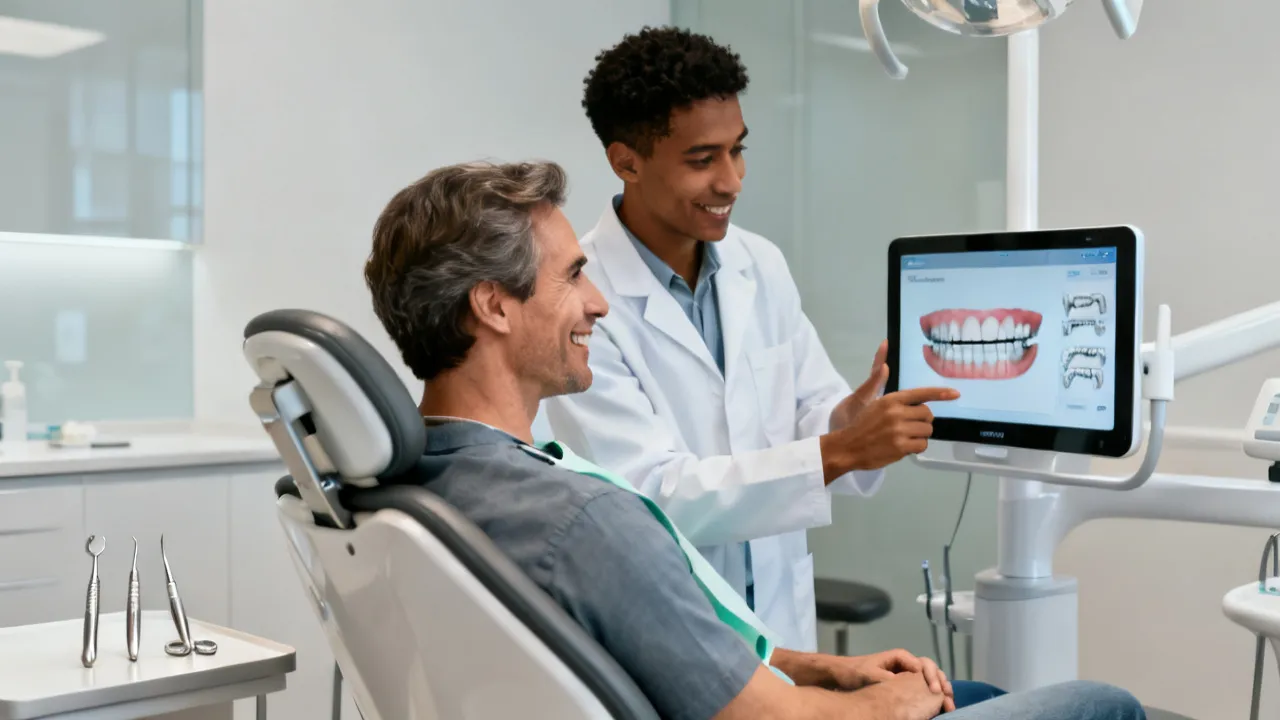
Finding an Adult Orthodontist Nearby with Implant-Aware Care
Orthodontist for Adults Near Me: Options and Implant Costs
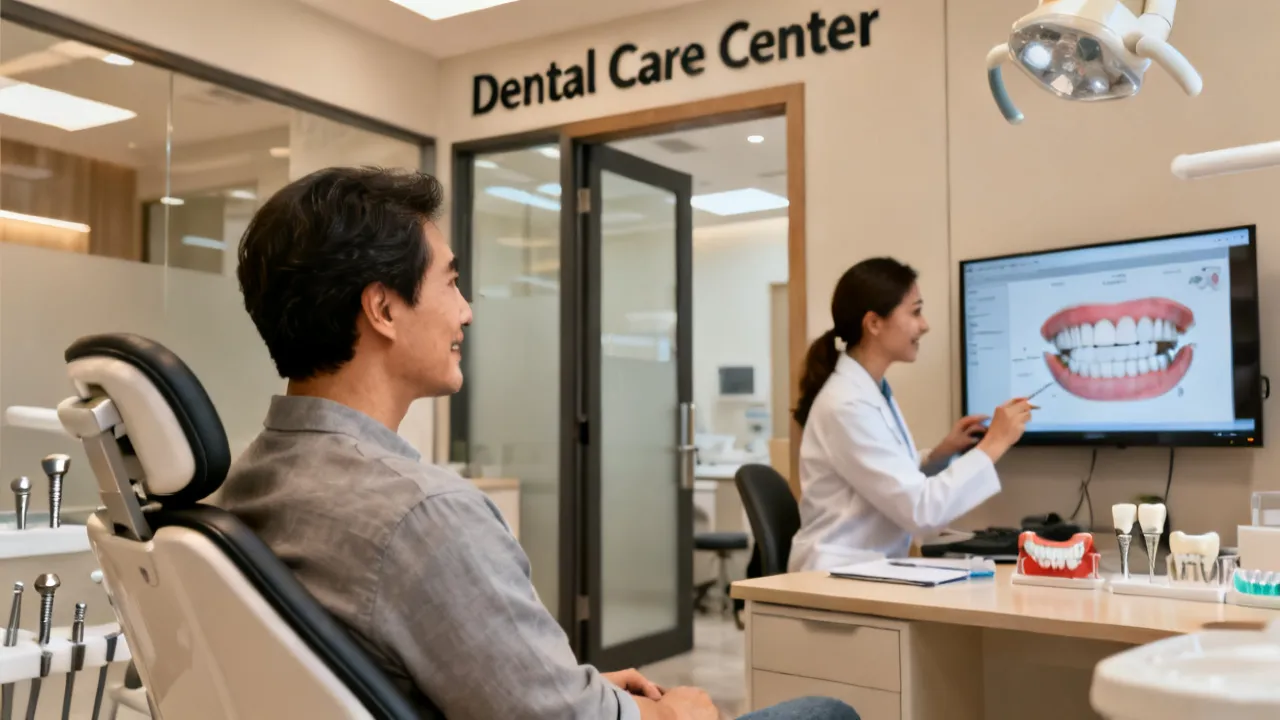
Orthodontist for Adults Near Me: Trusted Treatment Options
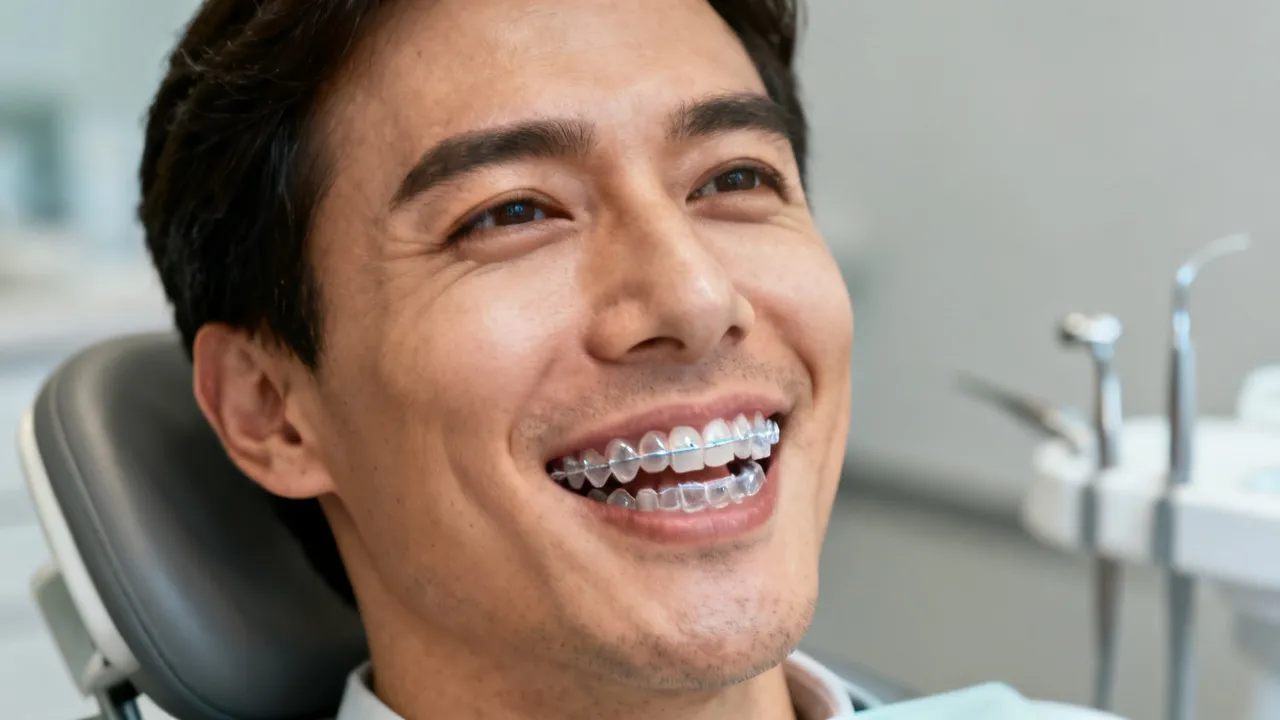
How to Choose an Orthodontist for Adults Nearby
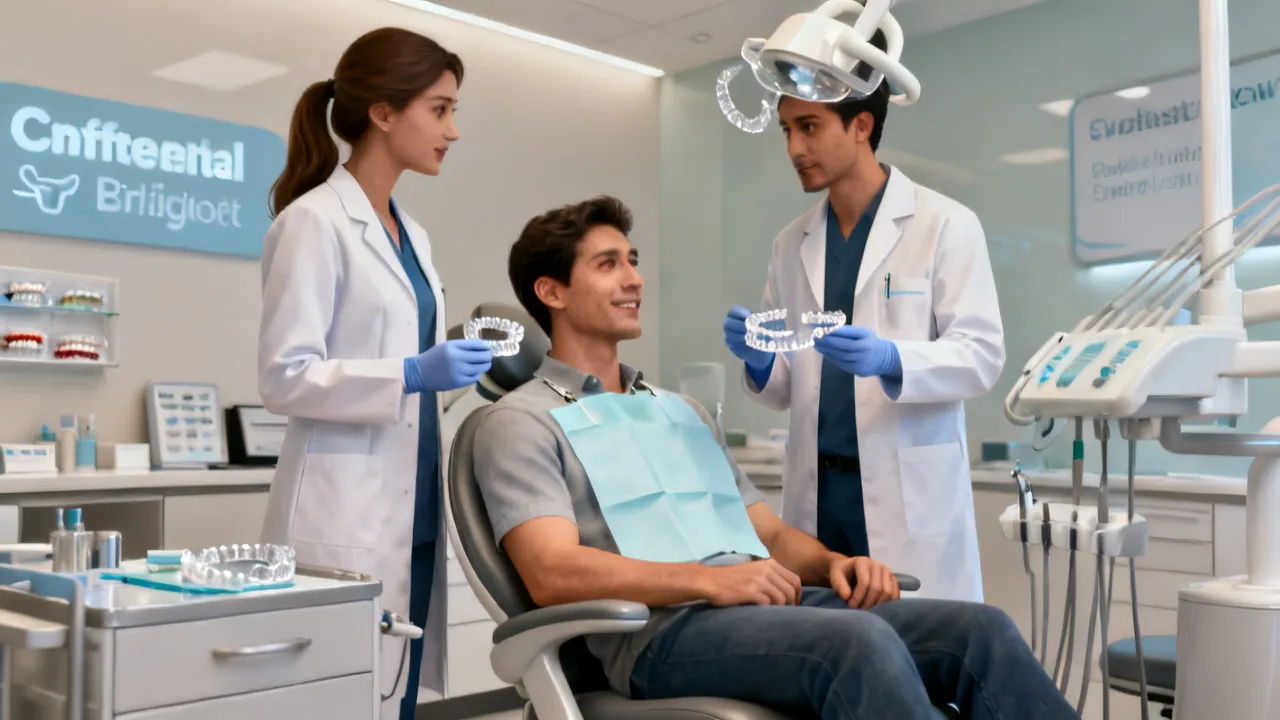
Orthosmile Hounslow Guide to Dental Implants
This guide explains what patients should expect from Orthosmile Hounslow when considering dental implants and related orthodontic care. It provides an expert, evidence-informed overview of low-cost implant pathways, cost drivers, and planning steps. You’ll also find cost ranges across multiple countries, plus a structured comparison of online resources and practical FAQ answers.
Orthosmile Hounslow: A Professional Guide to Care
This guide explains what Orthosmile Hounslow represents within local dental care, and how English-, Spanish-, and Portuguese-speaking countries approach low-cost dental implants. It compares key information sources, outlines a step-by-step pathway for reducing implant costs responsibly, and provides region-based implant price ranges for planning and discussion with qualified clinicians.
Orthosmile Hounslow Guide to Dental Implants and Care
This guide reviews Orthosmile Hounslow and how dental implant planning typically works in nearby communities. It covers candidacy, clinical steps, cost considerations across English-, Spanish-, and Portuguese-speaking countries, and a practical method to pursue low-cost options responsibly. Expert-style FAQs explain materials, timelines, risks, and what to ask during consultation.
Orthosmile Hounslow: Dental Implants and Care Guide
This guide explains what to expect from Orthosmile Hounslow when considering dental implants, including clinical steps, eligibility considerations, and how “low-cost” options are typically structured in English-, Spanish-, and Portuguese-speaking markets. It also compares trusted online reference sources and provides region-based cost ranges and practical ways to reduce expenses responsibly.
Finding an Adult Orthodontist Nearby for Better Smiles
This guide helps you choose an Orthodontist for Adults Near Me by explaining adult orthodontic needs, evaluation steps, and how to plan for affordability. It also reviews low-cost dental implant information sources, typical implant costs across multiple English-, Spanish-, and Portuguese-speaking countries, and practical next steps based on clinical top practices.
Finding an Adult Orthodontist Nearby with Implant-Aware Care
This guide explains how to choose an Orthodontist for Adults Near Me with implant-aware planning, what “low-cost” dental implants usually means, and how costs commonly vary across countries. It provides objective decision criteria, a practical checklist, and FAQs so you can evaluate treatment options, insurance considerations, and realistic next steps before scheduling.