English

This guide explains how Orthosmile Hounslow supports patients comparing dental implant pathways, clinical steps, and realistic cost expectations. It also reviews how English-, Spanish-, and Portuguese-speaking countries approach affordability, including low-cost implant information sources, insurance considerations, and typical pricing bands from October 2023-era online references, with clear requirements and FAQs.
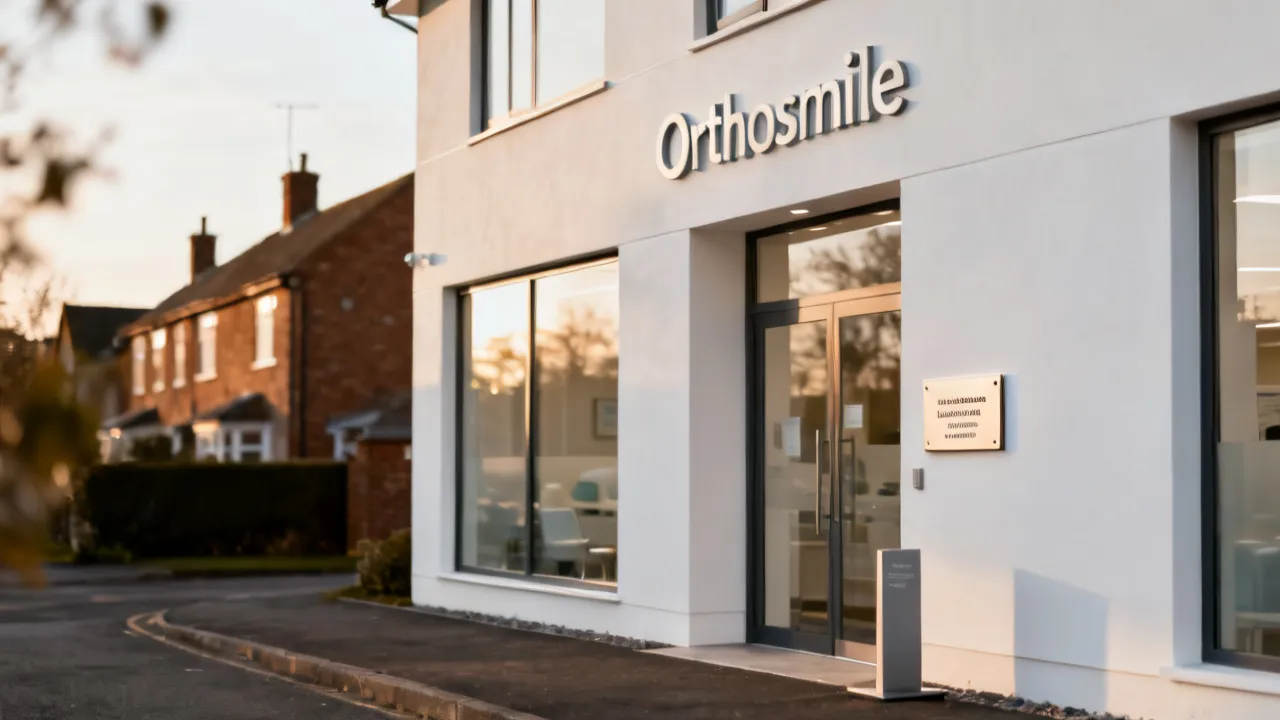
If you are looking into Orthosmile Hounslow, the first decision is usually not “Which implant is low price?” but “Which plan is clinically appropriate for my bone, bite, timeline, and good maintenance.” Dental implant care is highly individual: imaging, health status, and restorative design drive both suitability and cost. In practice, many patients explore lower-cost options while still demanding predictable outcomes, which is why a structured comparison of providers, materials, and treatment phases matters.
From an industry perspective, the very useful way to evaluate affordability is to compare complete pathways rather than single components. For example, a lower monthly estimate can be misleading if it excludes examinations, imaging, bone-grafting when needed, abutments, crowns, follow-up visits, or complication management. You will also want to clarify the difference between (1) a “consultation” visit, (2) a “treatment planning” visit, and (3) the actual surgical and restorative timeline.
Below, you’ll find (a) objective guidance on low-cost dental implants across relevant English-, Spanish-, and Portuguese-speaking contexts, (b) typical price ranges for individual implants, (c) a step-by-step checklist for achieving lower costs responsibly, and (d) FAQs patients commonly ask when considering treatment in the Dental category—especially when balancing budget, quality, and time.
Search intent around Orthosmile Hounslow typically comes from patients who want a local provider and are also comparing affordability. Hounslow (and nearby areas) is a part of West London where many residents weigh treatment options that may involve financing, insurance coordination, or carefully selected procedures that preserve function and aesthetics.
Professional dental care in this setting tends to emphasize:
For patients trying to keep costs reasonable, the very effective approach is usually to ask targeted questions—because many “low-cost” offers omit items that are essential for safety and longevity.
It also helps to understand how typical shopping behavior works. Many people start with an online search, see a “from” price, and assume the same figure will apply to them. With implants, however, case complexity changes everything. For example, two patients may both need a single tooth replaced, but one may have ideal bone and stable gums while the other has bone loss, an infection at the root of a failing tooth, or a bite that requires more careful restorative design. The clinical pathway that follows those differences can vary dramatically, even if the “implant” label sounds the same.
So if you are searching for Orthosmile Hounslow specifically, treat the first conversation as the stage where the “real” plan is translated into numbers that make sense for your case. The more you can align your questions to diagnostics, components, and follow-up, the less likely you are to encounter budget surprises later.
Dental implants are a restorative surgery plus a prosthetic workflow. The total cost is influenced by at least six drivers:
In many cases, “lower cost” comes from operational efficiencies or standardized treatment sequences—not from removing medically necessary steps. The responsible path is to compare what each provider includes in the implant package.
To expand that idea, “low cost” can come from at least four legitimate places:
However, “low cost” can also come from places that raise risk or later expense if not clarified:
Therefore, an honest affordability strategy is less about finding the cheapest implant and more about building a plan where every stage is accounted for: pre-op assessment, implant placement, prosthetic completion, and long-term monitoring. That’s how “low cost” becomes a realistic and safe outcome.
To support informed decision-making, patients often consult trusted dental resources that explain implant pathways, cost components, and patient questions. The table below compares several websites that discuss affordability or related decision factors. (Per your request, links are listed immediately after the table, and none appear inside the table.)
| Website focus | What it helps you compare |
|---|---|
| Low-cost implant explainer | Typical benefits, treatment steps, and how pricing is constructed |
| Comprehensive clinic services | Service menu visibility, appointment pathway, and restorative options beyond implants |
| Dental tourism-oriented planning | Cost comparisons across countries and travel-related decision structure |
| Dental insurance guidance | Coverage concepts that can reduce out-of-pocket implant costs |
| Spanish-language clinic services | Regional access to implants, whitening, ortho, and emergency pathways for Spanish-speaking patients |
| Spanish-language implant overview | Patient-friendly explanation of implant considerations and how plans may differ |
| Portuguese-language networks | Plans, clinic networks, and practical access to emergency dental support |
source: [www.dentalviews.com/low-cost-dental-implants/](https://dentalviews.com/low-cost-dental-implants/)
source: [www.atlanticdentalgrp.com](https://www.atlanticdentalgrp.com/)
source: [www.dentavacation.com](https://www.dentavacation.com/)
source: [www.rockvilledentalarts.com/es/](https://rockvilledentalarts.com/es/)
source: [www.cigna.com/es-us/knowledge-center/guide-to-dental-implants](https://www.cigna.com/es-us/knowledge-center/guide-to-dental-implants)
source: [www.rubiodonto.com.br](https://www.rubiodonto.com.br/)
source: [www.odontologiavelasco.com.br](https://odontologiavelasco.com.br/)
source: [www.dentalvidas.com.br](https://dentalvidas.com.br/)
Because dental affordability varies by country, it is useful to understand how patient decision-making is framed in different language communities. The themes below reflect common informational patterns described in online resources and clinic/insurance platforms.
When you read information across multiple language contexts, look beyond the wording. The underlying decision structure—what is included, how success is defined, what the follow-up plan looks like—tends to be similar. That’s why these frameworks can help you ask better questions in Hounslow, even if the original source is from a different region.
In an English-speaking environment, many patients benefit from learning how to interpret “package deals” and what they often omit. For example, “implant consultation included” is helpful, but you still need to know whether the consult includes a specific imaging plan and whether the implant package includes the abutment and crown. Many patients also discover they need a periodontal stabilization step first, and the timeline and cost change accordingly.
In Spanish-speaking communities, a common patient concern is understanding what is “covered” versus “not covered” and how to interpret treatment consent forms. Patients often find it useful when clinics provide clear explanations of healing phases and post-op instructions, because these details can affect comfort and outcome. When language-accessible materials are available, patients tend to ask more precise questions about timing, hygiene products, and when to return for follow-ups.
In Portuguese-language contexts, patients may also pay attention to how clinic networks handle maintenance and emergencies. If you choose an implant provider through a plan, you want to know whether maintenance is included, which clinic locations are covered, and how quickly you can access help if something changes during the healing period. Those operational details can matter as much as the implant price itself.
The ranges below are intended for individual dental implants only, expressed in local currency. Use them as decision context—not as a personal quote. Clinical complexity, restorative design, and whether additional procedures (e.g., bone grafting) are required can shift the final cost materially.
| Country (Code) | Currency | Price range (individual implant) |
|---|---|---|
| United States (US) | USD | $3,000 - $6,000 |
| United Kingdom (GB) | GBP | £2,000 - £2,500 |
| Australia (AU) | AUD | AU$3,500 - AU$6,500 |
| Canada (CA) | CAD | CA$3,000 - CA$5,500 |
| Spain (ES) | EUR | €1,500 - €2,500 |
| Chile (CL) | CLP | CLP$800,000 - CLP$1,500,000 |
| Mexico (MX) | MXN | $15,000 - $25,000 |
| Colombia (CO) | COP | $2,000,000 - $4,000,000 |
| Peru (PE) | PEN | S/ 3,000 - S/ 6,000 |
| Argentina (AR) | ARS | $80,000 - $150,000 |
| Brazil (BR) | BRL | R$3,000 - R$8,000 |
| Portugal (PT) | EUR | €1,000 - €2,000 |
| Germany (DE) | EUR | €2,000 - €3,500 |
| France (FR) | EUR | €1,500 - €2,500 |
| Italy (IT) | EUR | €1,500 - €3,000 |
| Japan (JP) | JPY | ¥300,000 - ¥700,000 |
To make these ranges more useful, it’s worth translating them into budgeting logic. If you see a “low” implant component price, you should still estimate additional stages such as:
Because of this, the total case price can be several times the “individual implant” figure. The key is not to ignore the base implant cost, but to compare total pathway costs across providers.
Note: Your request specifies “{lang}-speaking countries.” Since keywords provided focus primarily on English-, Spanish-, and Portuguese-speaking contexts and the article targets Orthosmile Hounslow, the steps below are written to be broadly applicable across those language settings, while still emphasizing what patients can do locally (e.g., in the UK/West London region) as well as when evaluating international options.
In practice, “low cost” is often achieved by preparation and documentation rather than negotiation alone. If you go to a consult with the right questions and ask for a written plan breakdown, you reduce the chance that you’ll later discover missing steps that your original quote didn’t include.
Ask what imaging will be used (bitewing/periapicals vs. CBCT when indicated). A low-cost implant plan that skips imaging can lead to complications and added costs later.
Request a detailed breakdown including: exam, imaging, surgical phase, abutment, crown/prosthetic component, sedation (if any), medication, and follow-up. The goal is to compare apples to apples.
Bone grafting, sinus considerations (for upper back teeth), periodontal stabilization, and extraction planning can materially change costs. If grafting may be required, ask how the estimate handles “possible grafting.”
Immediate-load approaches (when appropriate) can shorten time, but may not be suitable for every patient. A lower fee with a longer, staged plan may still be more cost-effective depending on clinical needs and follow-up requirements.
If your context includes dental insurance guidance resources (common in both English and Spanish-language information centers), verify whether implants, crowns, or parts of the treatment are covered. Ask for pre-authorization or written coverage rules where possible.
Some clinics use payment plans or structured programs. Ensure the plan specifies total interest (if any), duration, and whether missed payments affect scheduling.
In Spanish- and Portuguese-speaking patient communities, clinics that provide language-accessible information can reduce misunderstandings about post-op care instructions and maintenance schedules.
International planning is frequently discussed by dental tourism resources. Patients should compare not only clinic pricing but also: aftercare availability at the destination, protocols for complications, and the continuity of care when returning home.
Ask what system will be used, what materials the crown is made of, and whether warranties exist for components. A “low-cost” number can conceal differences in warranty coverage or materials.
Implant longevity depends on hygiene, professional checks, and management of peri-implant inflammation. Budgeting for maintenance visits is part of responsible affordability planning.
To further expand this framework, consider creating a one-page “cost comparability sheet” before your consult. Write down the exact implant tooth location, whether you have existing teeth that need extractions, and any medical factors like diabetes, smoking, or medications that can affect healing. Then list the questions you want answered in the same order for every clinic. When you do that, you can compare quotes much more fairly.
Also, don’t underestimate the value of asking how the clinic handles emergencies. If you get a swelling, fever, severe pain, or unexpected bleeding during healing, do you have an after-hours number? How fast can you be seen? While this doesn’t sound like “cost,” urgent interventions and additional visits can become a hidden expense if complications arise.
Low cost becomes realistic only when the patient’s case aligns with planned protocols. Clinicians generally check the following:
If you are assessing Orthosmile Hounslow specifically, treat the initial consultation as the stage where these requirements are clarified and translated into a financially and clinically coherent plan.
It can also help to understand that “affordable eligibility” often means you meet certain criteria that allow simpler surgical options. For example:
Conversely, if any of those factors are not ideal, you may still receive implants, but the “low-cost” pathway may not be the correct one for you. In that situation, the best way to contain costs is to understand which additional steps are medically necessary (and therefore should be budgeted), and which steps are optional (and therefore potentially flexible after discussion).
As an “expert scholar” framing this from an industry viewpoint, I would highlight that cost differences between providers often reflect differences in the level of planning and risk control. When evaluating low-cost offers, look for the clarity of the following items:
These details matter because they affect the probability of needing additional visits—where hidden costs often emerge.
To make this concrete, imagine three quotes for replacing one missing tooth. Quote A includes the implant and crown, but does not mention post-op checks beyond the day of surgery. Quote B includes a full set of follow-ups, and explicitly states what happens if the crown needs remaking due to fit or bite adjustment issues. Quote C includes the same surgery components but has unclear warranty language for the crown. While the base implant price might look similar, the expected cost over time can differ, because the follow-up and remaking protocols affect the chance you will pay extra later.
When you ask for quote clarity at Orthosmile Hounslow, request that the clinic document these details in writing. If something is unclear, ask whether it is included or not. If the clinic says it depends on your case, ask what the decision points are. For example, “Will I need a graft? How will you decide? What would the estimate be if grafting becomes necessary?”
In addition, you may want to request a “maintenance plan” outline as part of the quote or treatment summary. A typical maintenance plan might include:
When those elements are included or at least discussed, the implant plan becomes easier to budget long-term, and the concept of “low cost” becomes more realistic rather than speculative.
In very legitimate contexts, it means the provider offers a more cost-efficient package (e.g., streamlined diagnostics or standardized restorative pathways) while still delivering medically appropriate treatment. The key is to confirm what is included: examinations, imaging, surgical components, prosthetic components, and follow-ups.
Sometimes clinics use the term “low cost” to mean “low entry price,” while the full pathway price is higher once you account for restorations, imaging, and maintenance. So ask: is the low cost for the implant only, the implant plus surgery, or the implant plus crown and follow-up? The answer changes the real affordability calculation.
Many online ranges are presented for an “individual implant” as an estimate, but the full process may include crown placement, abutments, and—if needed—bone grafting or additional periodontal care. Always ask for a written breakdown.
Also, consider how the quote handles timing. For example, if you need a staged approach, you may have multiple appointment fees. If the clinic says “one-time price,” ask whether that includes all staged visits and the final crown delivery.
It may, depending on your plan rules. Insurance or knowledge-center resources often explain that coverage varies widely by country and policy. If your plan includes implants, request written pre-authorization and ask which parts are eligible.
In many cases, insurance may cover diagnostic imaging, consultations, or related dental treatment, while the implant itself may not be covered fully. Therefore, request itemization and ask for a coverage estimate for each component if possible. Doing this early prevents the “surprise gap” that happens when people plan for insurance assistance that does not fully apply.
Some patients compare costs internationally, especially when language-access materials and planning resources exist. However, dentistry includes aftercare. A responsible decision should include a complication plan, follow-up coordination, and clear timelines for healing and prosthetic completion.
If you do consider international treatment, treat it like a medical itinerary. Ask how long the clinic expects healing to be, what happens if you cannot complete the prosthetic phase while abroad, and how you’ll coordinate maintenance once you return home. Also ask whether the destination clinic provides a detailed written care plan you can bring to your local dentist in Hounslow.
Suitability depends on bone volume, periodontal health, bite mechanics, and medical factors. A diagnostics-first approach reduces the chance of paying for a plan that later requires additional procedures.
If you are aiming for lower cost, you can still be realistic. Lower-cost pathways often correspond to cases that need fewer surgical steps. Your eligibility may improve if you manage gum disease first, optimize medical stability (such as glucose control if you have diabetes), and maintain good oral hygiene leading up to surgery. That doesn’t replace clinical evaluation, but it can reduce preventable complications and delays.
Implant success depends heavily on consistent oral hygiene, scheduled maintenance visits, and prompt assessment if discomfort or swelling appears. Your clinic should provide clear post-op and good care instructions.
To help success, many clinicians advise:
Budget-wise, post-op diligence is a form of cost control. Early detection of inflammation or issues can prevent expensive salvage procedures later.
In some cases they may cost less and can be suitable for specific missing tooth patterns. However, mini implants are not automatically “better” or always cheaper over the long term; the correct choice depends on clinical evaluation.
Mini implants may reduce upfront cost in selected cases due to the specific design and surgical approach. But the tradeoffs can involve differences in load distribution and prosthetic options. If a mini implant solution is appropriate for your case, it can be a good pathway. If not, forcing it purely for cost may cause problems and additional costs later.
Ask for: (1) the full component breakdown, (2) whether bone grafting is likely and how it changes the estimate, (3) the planned restoration design, (4) follow-up schedule, and (5) what maintenance is included or recommended.
To make these questions more effective, you can ask them in a format like: “Please confirm whether each item is included in the quote, and if not, what it costs separately.” This avoids vague promises and gives you a true basis for comparison with other clinics.
To minimize risk when comparing “low-cost” options, use a procurement-like checklist. You are not just buying surgery—you are buying a sequence of accountable care.
Beyond this, consider evaluating the provider in terms of process quality. You can do this by asking for examples of how the clinic handles similar cases, whether they use digital planning, what your appointments would look like, and how they document consent. Clinics that can clearly explain the plan typically also have better continuity across treatment phases.
Another practical step is to confirm who will be responsible for each part of treatment. In some setups, one clinician performs surgery while another handles prosthetics. That’s not automatically a negative—many clinics are organized that way—but you should know the handoff process. Ask:
Finally, ask about clarity of contingency. For example: if an extraction site requires healing before implant placement, is that step included in the estimate? If the crown requires adjustment due to bite changes, is that included? If you do not ask these questions, you may have to pay for “extra” work that should have been defined upfront.
When these elements are clear, cost comparisons become more meaningful—especially for patients searching for Orthosmile Hounslow while managing budgets.
1) The above information comes from online resources, and the data is as of October 2023. 2) Dental implant prices are for reference only and may vary by region, clinic and doctor.
Because dental needs vary, you should treat any displayed figures as context only. Your final price depends on your diagnosis, imaging results, restorative requirements, and the specific implant and crown materials chosen for your case. Always confirm with a clinic after an assessment.
Orthosmile Hounslow: Dental Implant and Orthodontic Guide
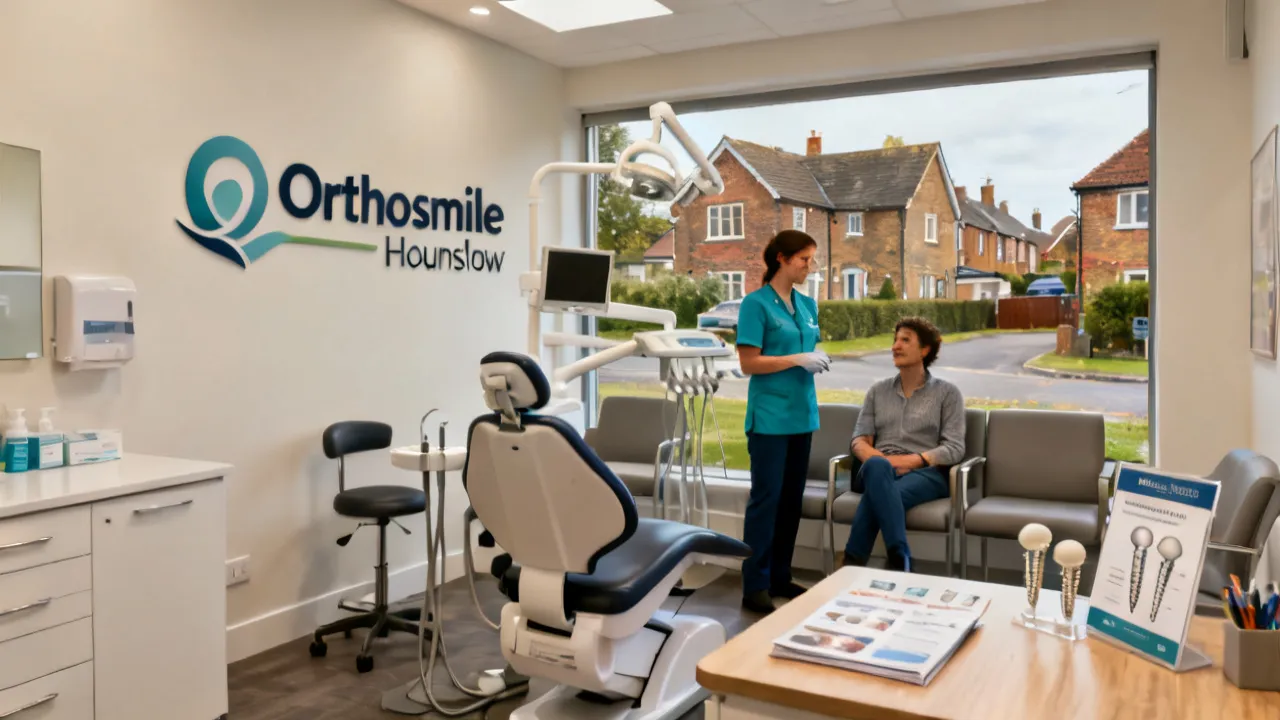
Orthosmile Hounslow: Dental Implant Cost & Options
Orthosmile Hounslow: Low-Cost Dental Implants Explained
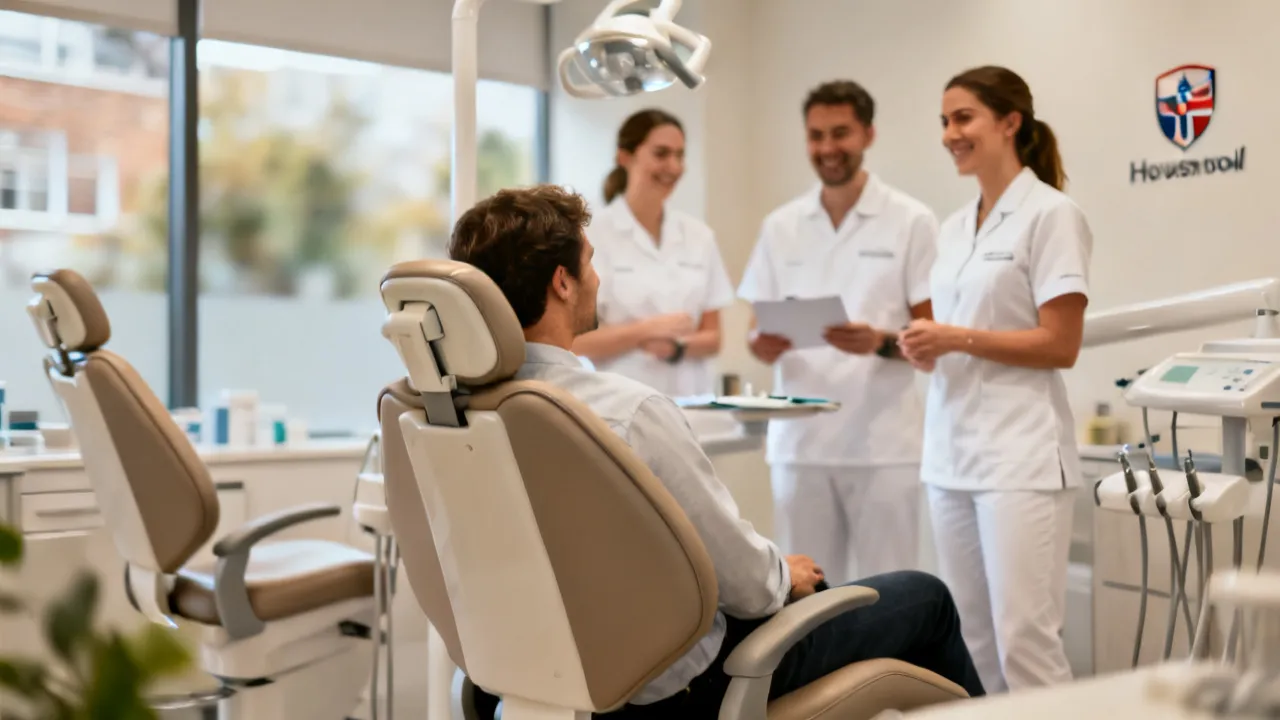
Orthosmile Hounslow Guide to Implants and Orthodontics
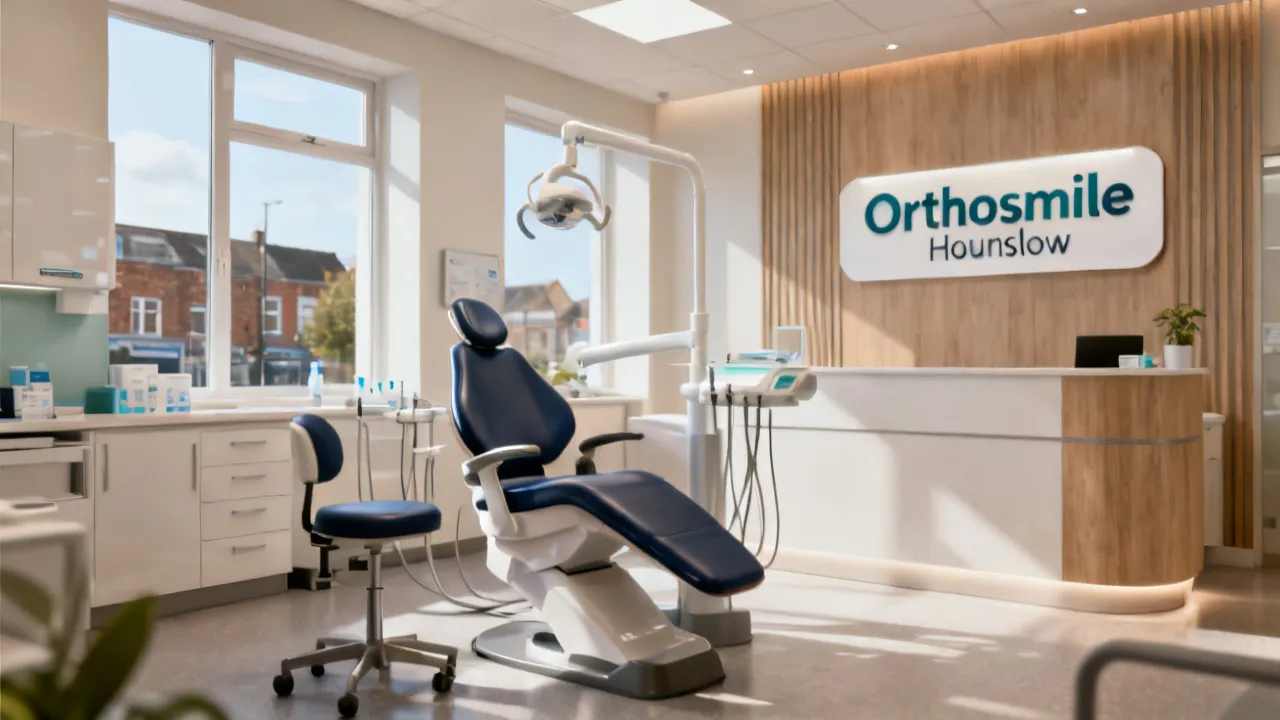
Orthosmile Hounslow Guide to Affordable Implant Options
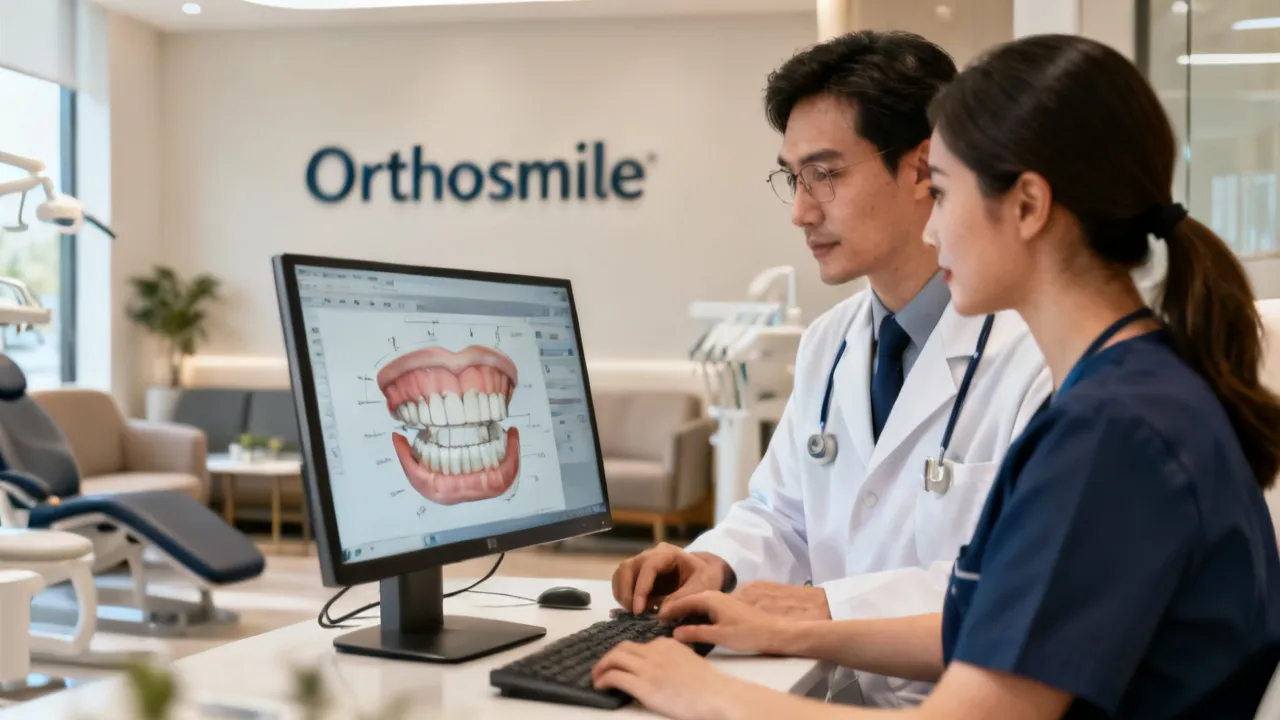
Orthosmile Hounslow: Dental Implants and Care Guide
Orthosmile Hounslow: Dental Implant Cost Guide Nearby
Orthosmile Hounslow: Dental Implants and Care Guide
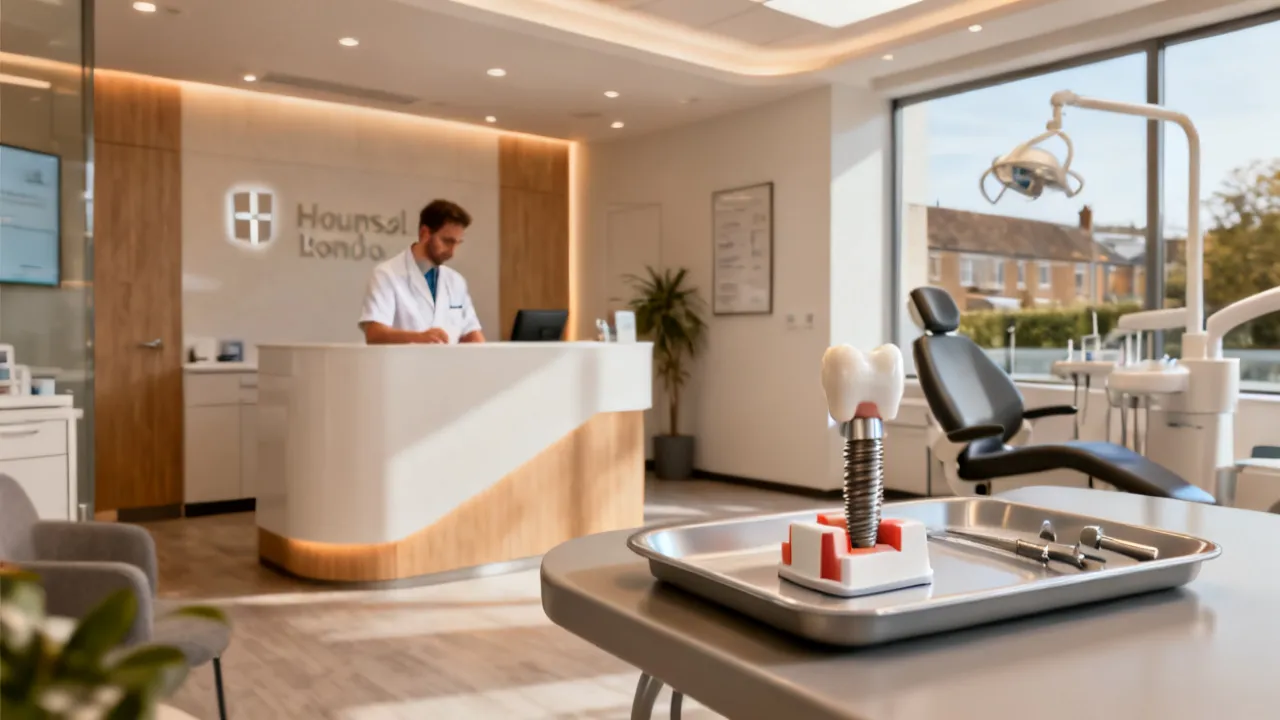
Orthosmile Hounslow Guide to Dental Implants

Orthosmile Hounslow: Dental Implant and Orthodontic Guide
This expert guide explains what to consider when choosing Orthosmile Hounslow for orthodontic care and dental implant treatment. It reviews how low-cost implant decisions work across English-, Spanish-, and Portuguese-speaking patient pathways, outlines typical cost ranges, and provides a practical step-by-step checklist plus FAQs—so you can plan consultations with clearer expectations.
Orthosmile Hounslow: Dental Implant Cost & Options
This guide explains how Orthosmile Hounslow supports patients comparing dental implant pathways, clinical steps, and realistic cost expectations. It also reviews how English-, Spanish-, and Portuguese-speaking countries approach affordability, including low-cost implant information sources, insurance considerations, and typical pricing bands from October 2023-era online references, with clear requirements and FAQs.
Orthosmile Hounslow: Low-Cost Dental Implants Explained
This guide explains how Orthosmile Hounslow approaches dental implants, especially when budgets are a key constraint. It provides objective context on implant types, assessment steps, and what drives pricing across English-speaking, Spanish-speaking, and Portuguese-speaking regions. You’ll also find practical ways to pursue lower-cost options, cost reference ranges, and FAQs for informed decision-making.
Orthosmile Hounslow Guide to Implants and Orthodontics
This guide explains how Orthosmile Hounslow supports patients considering dental implants and orthodontic care. It also compares how low-cost implant information is presented across English-, Spanish-, and Portuguese-speaking markets, outlines practical steps to pursue affordable options, and offers reference price ranges by country. The focus is objective decision-making, not marketing claims.
Orthosmile Hounslow Guide to Affordable Implant Options
This guide explains how patients evaluate Orthosmile Hounslow for implant-related dental care, with an evidence-led view of affordability, clinical planning, and what to ask during consultations. It also compares online references on low-cost dental implants, details step-by-step routes used across English-, Spanish-, and Portuguese-speaking markets, and provides region-based cost ranges as reference only.
Orthosmile Hounslow: Dental Implants and Care Guide
This guide explains how to evaluate dental implant options with a focus on Orthosmile Hounslow and the practical decision points behind low-cost implant pathways. It reviews clinic services, planning requirements, and cost ranges across English-, Spanish-, and Portuguese-speaking countries, then compares trusted information sources and outlines a step-by-step approach—ending with key FAQs and a clear disclaimer.